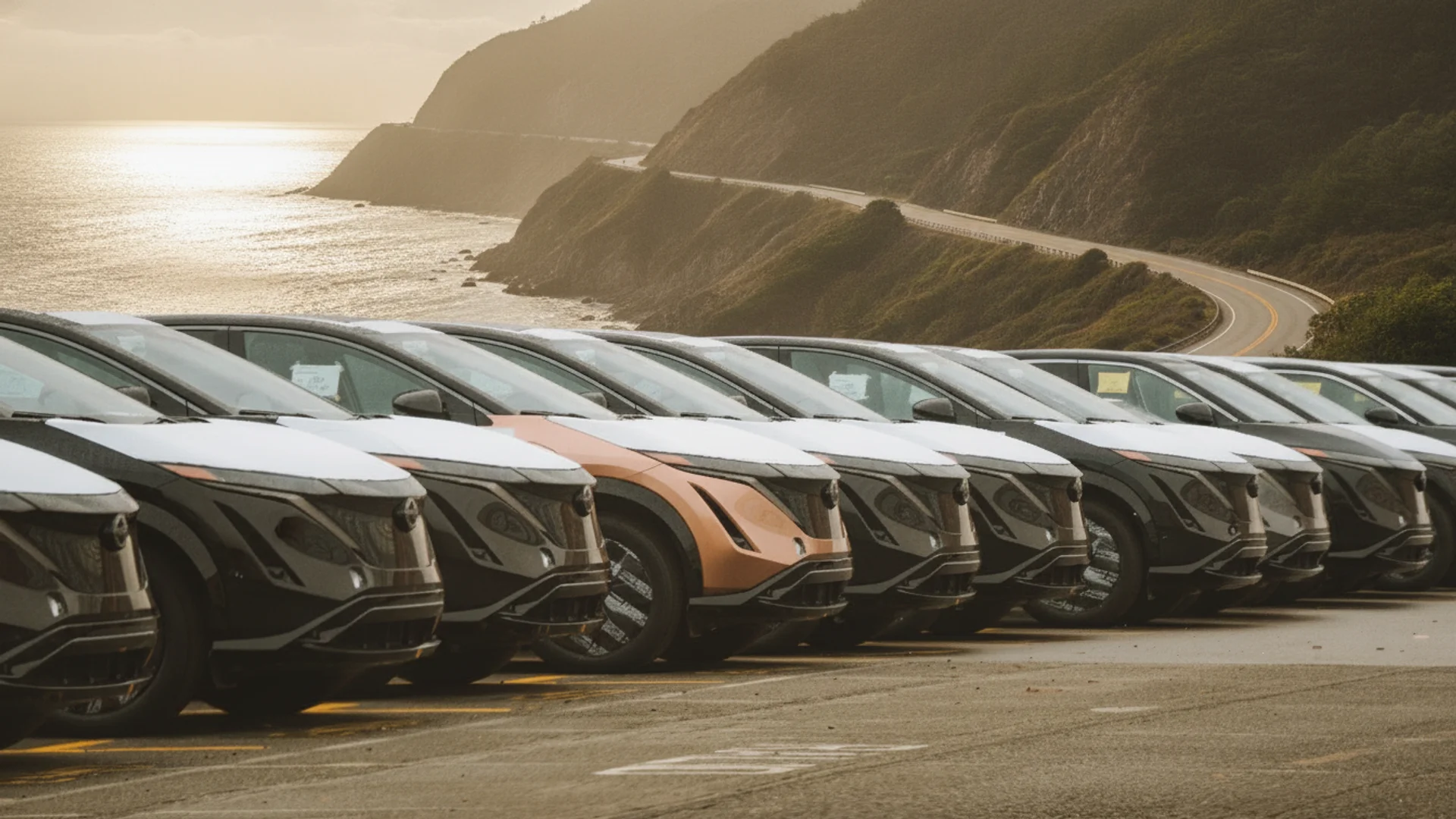
Peak demand hit 8.6 GW in August. By 2031 it could reach 13 GW. Singapore is not waiting to find out which number is right. The Energy Market Authority has committed S$5.3 billion to a five-year infrastructure plan that treats electricity as industrial strategy, not utility housekeeping.
Key takeaways
- EMA's S$5.3B grid plan is 11× larger than the previous five-year cycle, signalling prior assumptions were wrong.
- Peak demand hit 8.6 GW in August 2026; EMA is building to the 13 GW high-end forecast to avoid losing chip fabs.
- Semiconductor plants and data centres are the primary demand drivers; EV charging is a named but comparatively small input.
- Seven new substations, 18% more transmission cable, and a threefold tunnel expansion must be online before 2031.
- Gas turbines remain the firm-capacity backstop because land constraints and slow ASEAN interconnection can't fill the gap.
S$5.3 Billion and an 11× Spending Jump Say Everything
The headline number is the ratio, not the dollars. EMA's plan runs 2025 to 2029 with a maximum investment of S$5.3 billion, about US$4.15 billion, which is eleven times the scale of the previous five-year cycle. Eleven times. That is not a forecast adjustment; that is a government saying its prior assumptions were wrong by an order of magnitude.
The build-out list is specific. Seven new substations before 2031, against four in the past five years. Transmission cables grow from roughly 7,700 km to about 9,100 km by 2030, an 18% expansion. The underground cable tunnel network expands more than threefold from the current 50 km or so. Add to that five new gas plants and expanded energy storage, and the capacity backstop becomes clear: Singapore is doubling down on firm generation while the storage layer catches up.
EMA attributes the surge to "new demand from energy-intensive sectors such as semiconductor manufacturing and data centres, as well as wider use of electric transport." The order of that sentence matters. Chips and hyperscalers are the primary drivers; the electrification of transit is listed, named, and comparatively small, but it is on the record as a planning input, which is more than most grids give it.
Gear worth having
As an Amazon Associate, ThinkEV earns a small commission from qualifying purchases — at no extra cost to you.

Lectron Level 2 J1772 Charger (40A, WiFi)
Smart WiFi charger with real-time energy monitoring. 40A / 9.6 kW, J1772 with a NEMA 14-50 plug, schedule charging right from your phone.
As an Amazon Associate, ThinkEV earns from qualifying purchases — at no extra cost to you.
The demand math itself is openly uncertain. Peak demand stood at 8.6 GW in August 2026 and could rise to between 9.9 GW and 13 GW by 2031. That is a 3.1 GW spread. It is, to be fair, a wide band.
Gear worth having
As an Amazon Associate, ThinkEV earns a small commission from qualifying purchases — at no extra cost to you.

TP-Link Kasa Smart Plug with Energy Monitoring
Track exactly how much electricity your Level 1 charger uses and schedule it for off-peak hours. Know your real cost per kWh.
As an Amazon Associate, ThinkEV earns from qualifying purchases — at no extra cost to you.
13 GW by 2031 Is a Forecast Singapore Cannot Afford to Miss
A 3.1 GW uncertainty window at Singapore's grid scale is not a rounding error, it is another small country's entire peak load. The low end (9.9 GW) assumes the data-centre pipeline moderates. The high end (13 GW) assumes hyperscaler intake materialises on schedule. EMA is building to the top of the band because the downside of under-building a chip fab's power contract is losing the fab.
Gas as the capacity backstop is the politically uncomfortable number. Storage trebles, genuinely useful, but renewables face hard land constraints on a 733-km² island, and regional interconnection through the nascent ASEAN Power Grid is moving slower than a five-year window demands. Firm megawatts in 2031 means gas turbines ordered now.
Grid reliability at this scale is the precondition most planners cite for confident EV rollout, which is why the federal grid build-out behind Canada's EV emissions trajectory runs the same logic on a different continent, and why the V2G and charging-network economics covered here only pencil out when the upstream supply is firm. Singapore's plan is a reminder that transport electrification is a small line in a much bigger industrial-load equation, and the industrial load is what moves the capital.
Gear worth having
As an Amazon Associate, ThinkEV earns a small commission from qualifying purchases — at no extra cost to you.

P3 Kill A Watt Electricity Usage Monitor
Plug in your charger and see exactly what you spend in kWh, cost, and watts. Settle the is-my-EV-really-cheaper debate with data.
As an Amazon Associate, ThinkEV earns from qualifying purchases — at no extra cost to you.
Gear worth having
As an Amazon Associate, ThinkEV earns a small commission from qualifying purchases — at no extra cost to you.

PULIDIKI Car Cleaning Gel (Detailing Putty)
Press it into vents, buttons, and seams and it lifts out dust you did not know was there. Weirdly satisfying, genuinely useful.
As an Amazon Associate, ThinkEV earns from qualifying purchases — at no extra cost to you.
The Number to Watch Is the Data-Centre Pipeline, Not the Grid Spend
S$5.3 billion is committed. The question that decides whether it was enough is how many hyperscaler contracts land between now and 2029. If intake tracks the top of EMA's band, the plan is already tight. If it tracks the bottom, Singapore just built the most over-capitalised grid in Southeast Asia, and will still be glad it did.
Gear worth having
As an Amazon Associate, ThinkEV earns a small commission from qualifying purchases — at no extra cost to you.

WixGear Magnetic Air Vent Phone Mount (2-Pack)
A magnet strong enough that your phone never flinches over potholes or rail crossings. Two in the box, one for each car.
As an Amazon Associate, ThinkEV earns from qualifying purchases — at no extra cost to you.

Founder & Chief Editor
Vlad Pereira is the founder and chief editor of ThinkEV.ca, the Canadian electric-vehicle publication he writes and edits from Courtenay, British Columbia. He covers EV pricing, federal and provincial rebates, charging costs, and the Chinese manufacturers now entering Canada, from the buyer's side rather than the press-fleet side. ThinkEV is a venture of Vlad Pereira Online; his writing on health, income and the long game lives at vladpereira.com.
Frequently asked questions
Will Singapore's grid expansion actually change how EVs are charged there?
Why is gas still central when Singapore is spending billions on storage?
What happens if the data-centre pipeline comes in below forecast?
Does Canada face a similar grid-versus-EV-demand mismatch?
How does the eleven-times spending increase compare to what other grids are doing?
More EV & road-trip finds
Affordable upgrades worth a look — tap any to check the price on Amazon.
 ★ 568
Personalized Photo and Text Keychain
View on Amazon ★ 12,396
K KNODEL Car Trash Can with Lid
View on Amazon ★ 17,242
LISEN Mini USB-C Car Charger (54W)
View on Amazon ★ 121
Foldable Windshield Sun Umbrella
View on Amazon ★ 268
Anti-Slip Leather Steering Wheel Cover
View on Amazon ★ 9,349
Auto Detailing Brush Set (10-Piece)
View on Amazon ★ 419
RGB Car Interior LED Strip Light
View on Amazon ★ 546
Funny Headrest Face Covers (2-Pack)
View on AmazonRead, Plan, Then Stay Current
Explore our expert articles to understand incentives and ownership costs, use the map to pressure-test charging reality, then subscribe so new EV coverage comes straight to you.
Continue Reading

VW ID. Polo Wins German Car of the Year 2027 at €24,995

Waymo Adds 250 Square Miles of Robotaxi Coverage in 5 Cities
Range Energy eTrailer Saves Nearly as Much as Tesla Semi
Tesla Q3 2026 Earnings: Flat Revenue, Falling Profits
BYD Denza B8 Suspension Trick Defeats Traffic Boot in Viral Clip