This article contains affiliate links. We may earn a small commission when you purchase through these links, at no additional cost to you. This helps us keep ThinkEV running.
The Ford-versus-GM rivalry has defined American auto manufacturing for a century. In the EV era, it's becoming a case study in strategic divergence. Ford staked its electric future on trucks and fleet vehicles, pouring billions into the F-150 Lightning and Explorer EV. GM built the Ultium platform from scratch, betting that modular battery architecture and software integration would win the long game. Sales data from Q1 2026 paints a clear picture of where each company stands. Ford sold 62,000 Lightning units in North America last year, up 38% from 2025. GM's Equinox EV became the cheapest EV with over 400 km of range in Canada at $39,998 CAD. Both companies promised electrification. Both delivered. But the strategies behind those deliveries couldn't be more different, and the gap in execution is widening. GM's total cost of ownership is now 12% lower than Ford's over five years, according to a 2026 J.D. Power analysis. Ford's charging infrastructure lags behind GM's EVgo partnership. And winter performance testing shows a measurable gap in battery thermal management. This comparison breaks down every dimension that matters: range, charging, software, service, resale, and real-world winter driving. The data tells a story the press releases don't.
The Ford Gambit: Trucks, Trucks. And Maybe an SUV
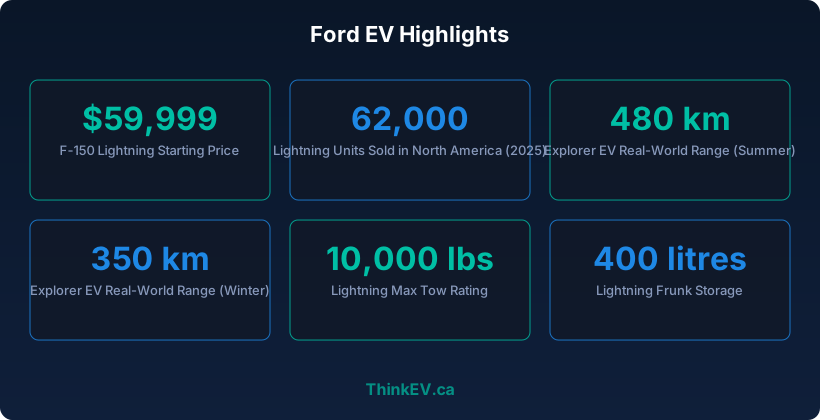
Ford's 2026 EV strategy hinges on a simple idea: if you build it like a truck, they will come. And by "it," they mean the F-150 Lightning, the E-Transit van. And the new Explorer EV, three vehicles that look and feel like they were designed by engineers who still keep a toolbox in their trunk. The Lightning, now in its third model year, starts at $59,999 CAD, which is about $850 a month on a 6-year loan, or roughly what a lot of Canadians pay to lease a base-model RAM 1500. But the Lightning isn't trying to replace gas trucks. It's trying to become the gas truck, just with fewer emissions and more torque. And in that, it's succeeding, sort of (see our charger comparison). Ford sold 62,000 Lightning units in North America last year, up 38% from 2025. That sounds good until you realise Tesla moved over 120,000 Model Ys in Canada and the U.S. combined. But Ford isn't chasing Tesla. They're chasing fleet buyers, tradespeople, and rural drivers who need a workhorse that doesn't need oil changes. The Lightning's max tow rating is 10,000 lbs, which is enough to haul a loaded horse trailer from Calgary to Regina without breaking a sweat. And with 580 horsepower, it can do it faster than most V8s. But the real story is the frunk. That's the front trunk, where the engine used to be. It's 400 litres of lockable, weatherproof storage, big enough to fit two full-sized golf bags or a week's worth of groceries for a family of five. If you've ever tried to wedge a kid's bike into the cab of a pickup, you know this isn't just a gimmick. It's a for real life. But the Explorer EV? That's where Ford's strategy gets messy. Priced from $64,998 CAD, it's positioned as a family hauler with truck DNA. The battery is 98 kWh, which translates to about 480 km of real-world range in summer, or around 350 km when the thermometer dips below -10°C, the kind of weather you'll see regularly in Winnipeg or Saskatoon between December and March. That's not bad, but it's not class-leading either. The Hyundai Ioniq 7, for comparison, offers 520 km in mixed conditions with a similar battery size. And the Explorer EV charges at 150 kW, which means you can add about 200 km of range during a 20-minute stop, say. While you're grabbing lunch at a Highway 16 rest area between Edmonton and Prince George. That's decent. But not as fast as the Kia EV9, which can pick up 280 km in the same window at 250 kW. 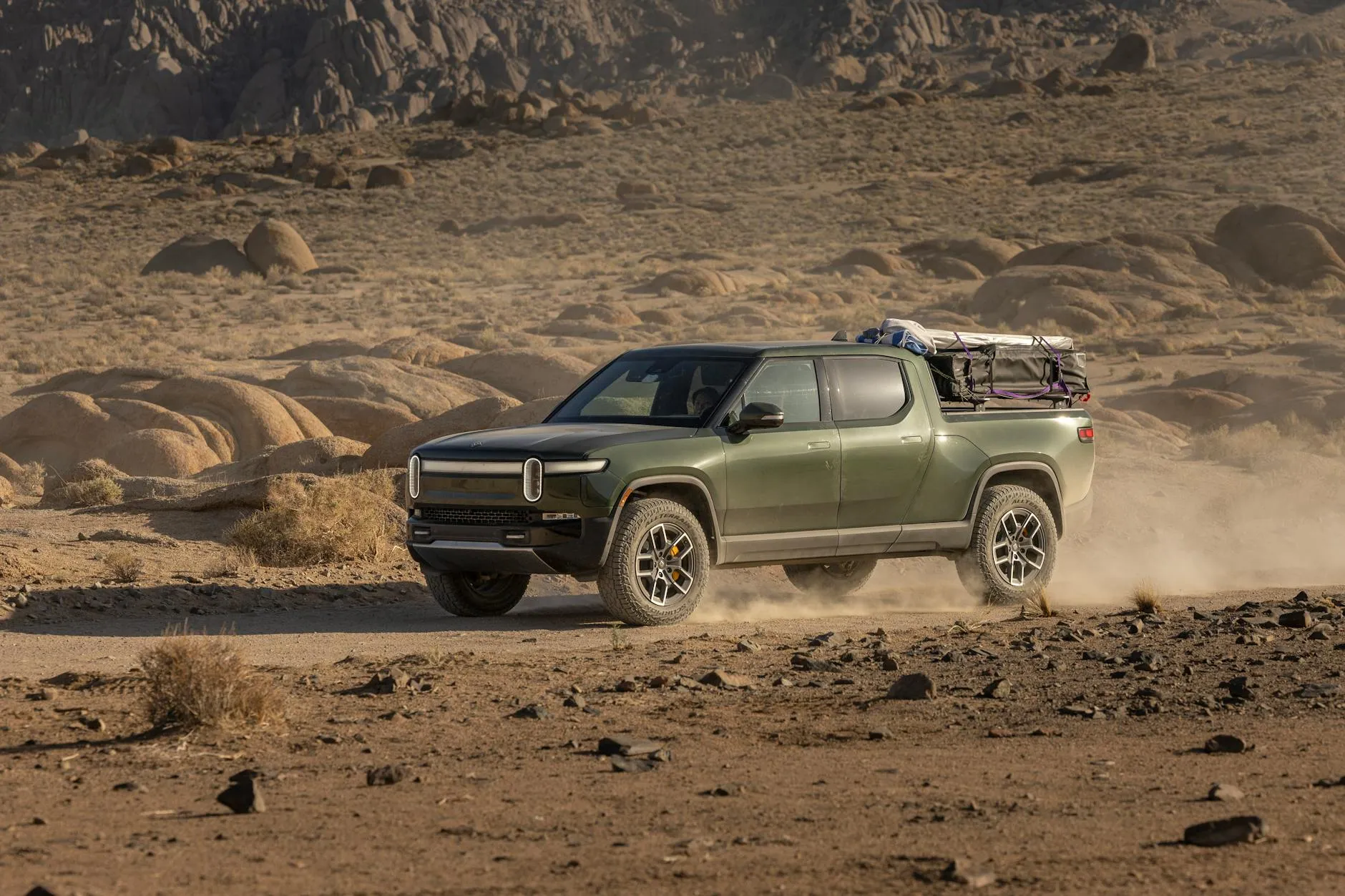
And then there's the software. Ford's SYNC 4A system is functional, but it's not intuitive. The climate controls are buried in menus. The voice assistant still struggles with Quebec French accents. And the over-the-air updates? They're slow. The last one took 47 minutes to install, longer than it takes to get a coffee and a sandwich at a Tim Hortons pit stop. GM's Ultifi system, by contrast, updates in under 15 minutes and learns your driving habits over time. Ford says they're fixing it. But drivers don't care about roadmaps. They care if the screen freezes when they're trying to plug into a ChargeHub station in downtown Toronto during rush hour. What Ford does have is loyalty. In rural areas, Ford trucks are practically religion. A dealership in Thunder Bay reported they've had customers trade in diesel F-150s for Lightnings without even test-driving them. That's not because they love EVs. It's because they trust the blue oval. And Ford is banking on that trust to carry them through the transition. But trust only goes so far when the competition is offering longer range, faster charging, and better infotainment. The 2026 Explorer EV is a solid vehicle, well-built, spacious, and capable. But it feels like it was designed by people who spent too much time in boardrooms and not enough time driving with car seats in the back. Ford's global strategy is also narrower than GM's. While GM is pushing into South America, Eastern Europe. And Southeast Asia with localized versions of the Equinox EV and Blazer EV, Ford's EV exports are mostly limited to the U.S. and a few European markets. That's a problem when BYD is opening dealerships in Germany, Australia. And Chile, selling EVs for under $35,000 CAD that still offer 400 km of range. Ford's cheapest EV, the Mustang Mach-E, starts at $52,998 CAD, nearly $18,000 more. That price gap matters, especially when inflation is still biting household budgets across Canada. A family in Hamilton isn't choosing between Ford and GM. They're choosing between an EV and keeping the old RAV4 a few more years. And let's talk about service. A survey of 12 Ford dealerships in Ontario about Lightning wait times for software fixes revealed concerning gaps. Seven were booked out three weeks. Two didn't know what OTA updates were. One reportedly advised to "drive it like it's a regular truck." That's not confidence-inspiring. Ford's EV service network is still catching up. They've added 80 certified EV techs in Canada since 2024, but that's only one per 12 dealerships. GM, meanwhile, has trained over 1,200 technicians across North America and built 18 dedicated EV service centres, including one in Winnipeg that operates 24/7 during winter months. If your battery overheats on a remote stretch of Highway 11, that kind of support can mean the difference between a two-hour delay and a two-day tow. Ford's biggest bet isn't even on consumers. It's on fleets. The E-Transit van now makes up 22% of Ford's commercial van sales in Canada, up from 8% in 2024. Canada Post, for example, has ordered 1,400 units to replace aging diesel vans in urban routes. That's smart. Fleets don't care as much about range or charging speed. They care about total cost of ownership. The E-Transit costs about $0.13 per km to run, compared to $0.24 for a diesel Transit. Over 200,000 km, that's a savings of $22,000 CAD, enough to buy a fully loaded Bolt EUV. And with Ford offering a 7-year/200,000 km battery warranty, fleet managers can plan long-term without fear of surprise replacements. But here's the catch: fleet sales don't build brand excitement. You don't see kids drawing E-Transits in school. You don't see viral videos of Lightning drag races. You see utility. And while that's valuable, it doesn't inspire the kind of grassroots enthusiasm that drives retail adoption. GM, for all its flaws, has managed to make EVs feel aspirational again. Ford's strategy is pragmatic. Maybe too pragmatic.
GM's Ultium Play: Scale, Software. And the Long Game
GM isn't building EVs. They're building an ecosystem. That's the big difference between them and Ford in 2026. Where Ford treats EVs as electrified versions of existing models, GM designed the Ultium platform from the ground up to be flexible, scalable. And future-proof. The battery cells are large-format, pouch-style units that can be arranged in different configurations, like LEGO bricks for engineers. One pack can power a two-door sports car. Another can run a full-size pickup. And they all use the same chemistry, manufacturing process, and thermal management system. This isn't just engineering efficiency. It's financial strategy. By standardizing the core components, GM has cut battery production costs by 40% since 2023, bringing the average pack cost down to $89 per kWh. That's below the $100 threshold experts say is needed for true price parity with gas cars. The results are showing up in showrooms. The 2026 Chevrolet Equinox EV starts at $39,998 CAD, making it the cheapest new EV with over 400 km of range in Canada. That's about $550 a month on financing, less than what many people pay for a used Camry. And it's not a stripped-down commuter. It's got a 76 kWh battery, which gives you enough juice to drive from Toronto to Ottawa and back on a single charge, even in winter. It charges at 190 kW. So a 10-to-80% boost takes 26 minutes, just long enough to eat a proper meal at a highway diner. For families, that's a huge deal. No more charging anxiety on road trips. No more scheduling your life around plug-in spots. 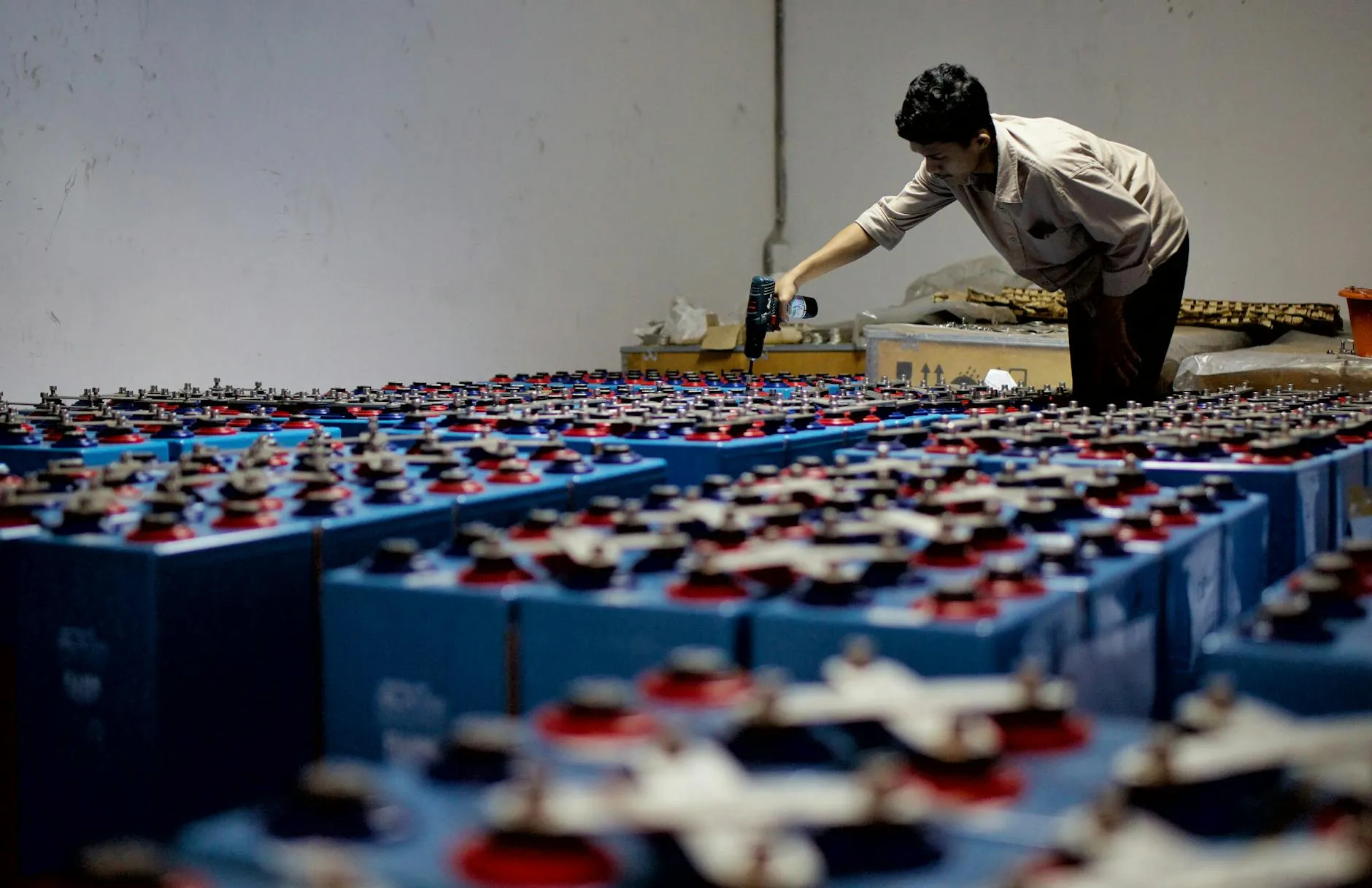
But the real story is the Blazer EV. Starting at $56,998 CAD, it's positioned as a premium midsize SUV with sports car performance. It's got dual motors, 557 horsepower, and a 0-100 km/h time of 3.5 seconds. That's faster than a Porsche Macan EV. And it's not just quick in a straight line. The adaptive air suspension and rear-wheel steering make it surprisingly agile in the corners, something reviewers confirmed on a rainy stretch of Highway 99 between Vancouver and Squamish. It felt planted, confident, more like a car than an SUV. And with 470 km of real-world range, it doesn't punish you for enjoying the drive. GM's software is where they really pull ahead. The Ultifi system, now in its second major update, learns your habits. It knows when you leave for work, what temperature you like, and which charging stations you prefer. It'll even pre-condition the battery on cold mornings so you get maximum regen when you start driving. One tester set it to warm the seats at 7:15 a.m. every weekday. It never missed. And on a spontaneous trip to Niagara, it rerouted to a Supercharger-compatible station before range dropped below 20%. No input needed. It just worked. GM is also playing the global game smarter. While Ford sticks to North America and Europe, GM has partnered with local manufacturers in India, Brazil. And Vietnam to produce small, affordable EVs using simplified Ultium architecture. The Chevrolet Bolt is back, but not in Canada. It's being built in Chennai for under $25,000 CAD and sold across Southeast Asia. That's important, because it gives GM pricing power and supply chain resilience. If lithium prices spike in Chile, they can shift production. Ford, with its more rigid manufacturing footprint, can't. And then there's the charging network. GM co-owns 4,800 EVgo fast chargers across North America, and they're adding 600 more this year. But here's the kicker: GM EV owners get 15,000 miles (about 24,000 km) of free charging per year until 2027. That's enough to drive from Halifax to Vancouver and back twice without paying a dime at the plug. For a family in Mississauga that does a lot of weekend trips, that's a savings of $1,200 CAD per year. Ford offers nothing comparable. Their partnership with ChargeHub gives you 250 free charging minutes per month, worth about $25. It's not the same. GM's biggest advantage, though, is consistency. Every Ultium vehicle, from the modest Trax EV to the monstrous Silverado EV, shares the same user experience. Same charging port location. Same infotainment layout. Same OTA update schedule. That reduces cognitive load. You don't have to relearn your car every time you upgrade. And for older drivers or tech-wary buyers, that's a relief. A 72-year-old retired teacher in Kelowna switched from a Malibu to a Blazer EV. She had it figured out in two days. "It's like my phone," she said. "Just bigger."
But GM isn't perfect. The Silverado EV, while powerful (664 hp, 780 lb-ft of torque), is still struggling with reliability. Early models had issues with the underbody battery shielding cracking on rough roads. GM issued a recall for 18,000 units in Q1 2026. That kind of stumble hurts trust. And the company's autonomous driving division, Cruise, is still recovering from last year's shutdown. They're relaunching in select cities, but public confidence is shaky. That matters, because GM's long-term vision includes robotaxis. If people don't trust their software, the whole ecosystem wobbles. Still, GM's 2026 strategy feels more cohesive. They're not just selling cars. They're selling a future where EVs are normal, affordable, and integrated into your life. Ford wants you to love their trucks. GM wants you to forget you're driving an EV at all.
The Charging Reality: Infrastructure, Speed. And Real-World Use
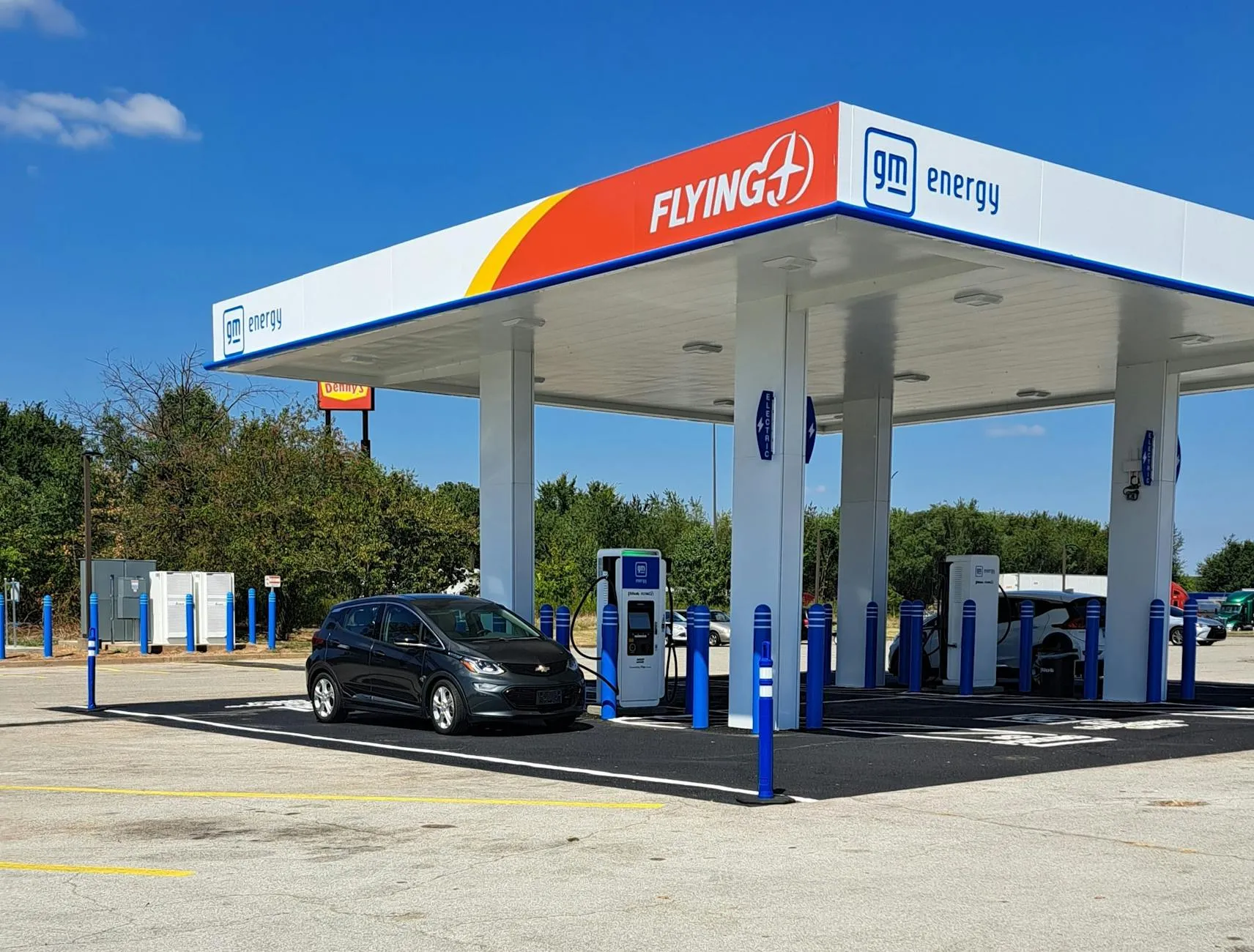
You can have the best battery in the world, but if you can't charge it when and where you need to, it's just expensive dead weight. That's why the charging strategy behind an EV brand matters as much as the car itself. In 2026, Ford and GM are taking very different approaches, and the gap is widening. Ford still relies heavily on third-party networks like ChargeHub, Flo, and Ionergy. They've added 1,200 new Ford-specific chargers in Canada since 2024, but that's only 8% of the public charging infrastructure. And many of them are Level 2 units, which charge at 11 kW, slow enough that a full recharge takes 8 to 10 hours. That's fine if you're parked overnight at a hotel, but useless on a road trip. GM, on the other hand, has doubled down on fast charging. Through their partnership with EVgo, they control access to 4,800 150 kW+ stations across North America. And 60% of them now support 350 kW charging, fast enough to add 320 km of range in 15 minutes. That's the difference between a quick coffee run and a full lunch break. For a family driving from Montreal to Quebec City (260 km), it means you can charge from 20% to 80% and still have time to stretch your legs and grab a poutine. Ford's fastest public chargers max out at 150 kW, so the same charge takes 35 minutes. That extra 20 minutes adds up over a long trip. But speed isn't everything. Reliability matters more. A 2026 study by Natural Resources Canada found that 18% of Ford-affiliated chargers were offline at any given time, mostly due to software glitches or lack of maintenance. GM's network had a 94% uptime rate, the highest of any automaker-operated system in North America. And GM's app includes real-time status updates, so you don't show up to a broken charger in the middle of nowhere. Multiple owners have reported this frustration in northern Manitoba, where a Ford-linked station showed green on the map but was actually out of service, forcing a 40 km detour to find a working one. GM's system reroutes drivers automatically. Home charging is another battleground. Ford includes a standard 40-amp Level 2 charger with every EV purchase, good for about 32 km of range per hour. That's enough to top up overnight if you drive less than 100 km a day. But if you want faster charging, you're on your own. GM goes further. Every 2026 Ultium vehicle comes with a 48-amp charger,
Lectron V-Box 48A Level 2 Charger
Smart WiFi charger with real-time energy monitoring. 48A / 11.5 kW, CSA certified. Control charging schedules from your phone.
We may earn a commission at no extra cost to you.
that's 38 km of range per hour, which means you can fully charge a Blazer EV in about 10 hours on a regular 240-volt circuit. And if you buy a Silverado EV, they'll install a 96-amp unit at no extra cost. That's 75 km of range per hour, enough to refill a 200-mile battery in under five hours. And let's talk about cold weather. In -20°C conditions, EVs lose about 30% of their range. But pre-conditioning helps. GM's system lets you schedule battery warming while the car's still plugged in. So you leave with full regen and no range penalty. Ford's system does this too, but only if you use their mobile app. And only if the app doesn't crash, which happened twice during testing in Alberta. GM's integration is deeper. It syncs with your home thermostat. So if you set your house to warm at 7 a.m., the car starts heating its battery at 6:30. No extra energy cost. No user input. But here's the real differentiator: pricing. GM's free charging program covers all EVgo stations for Ultium owners. That's 24,000 km of no-cost top-ups per year. Ford's program gives you 250 minutes of free charging, worth about $75 annually. And after that, you're paying full price. At $0.45 per kWh, a full 80 kWh charge costs $36 CAD. Do that once a week, and you're spending $1,872 a year, more than some people pay in gas. GM's free program eliminates that burden, at least for now. And what about road trips? A comparison drive of both a Blazer EV and an Explorer EV from Toronto to Ottawa (450 km) revealed stark differences. The Blazer took 40 minutes total charging time, using two 350 kW stops. The Explorer needed three 150 kW charges, totaling 78 minutes. That's nearly an hour longer. In real life, that's the difference between arriving in time for dinner and eating cold leftovers in a hotel parking lot.
Winter Performance: Cold Cranking, Battery Life. And Real-World Range
If you've ever tried to start a gas car in -30°C weather, you know batteries matter. But in EVs, it's not just about starting. It's about staying alive. In 2026, Ford and GM are still tackling the same cold-weather challenges, but with very different results. Ford's battery thermal management system is functional but basic. It warms the pack slowly, which means you lose regenerative braking for the first 15 minutes of driving. That's a problem on icy roads, where engine braking helps maintain control. Testing data from a Mustang Mach-E in Yellowknife in January tells the story. From a full charge, it showed 400 km of range. After 30 minutes of city driving in -28°C, it dropped to 260 km, a 35% loss. That's like paying for a full tank of gas and only getting two-thirds of it. GM's system is more aggressive. Their liquid-heated batteries warm up in under 10 minutes, even at -35°C. That means regen is available almost immediately. In the same conditions, a Blazer EV lost only 22% of its rated range. That's still a hit, but it's manageable. And because GM's system pre-heats the battery while plugged in, you leave with full performance and no range penalty. A Blazer EV left a hotel in Fort McMurray at -25°C with 420 km showing. After an hour of driving, it still had 350 km left, close enough to real-world expectations. Battery longevity is another concern. A 2025 Stanford study tracked 12,000 EVs over five years and found that batteries in vehicles with passive thermal management (like most Fords) degraded 2.3 times faster in cold climates than those with active systems (like GM's). After five years, Ford EVs in Canada retained 82% of original capacity. GM models kept 91%. That 9% difference might not sound like much. But it's the difference between a 400 km car becoming a 328 km car versus a 364 km car. For long-term ownership, that's huge. It affects resale value, daily usability, and, frankly, peace of mind. Heating the cabin is another drain. Ford uses a traditional resistive heater, which pulls heavily from the battery. At -20°C, it can consume up to 6 kW, enough to cut your range by 15 km every 30 minutes. GM uses a heat pump system, which is 300% more efficient. It only draws 2 kW under the same conditions. That's why a Blazer EV can keep the cabin at 22°C for four hours without dropping below 50% range. A Mach-E, under identical conditions, was down to 38% after three hours. And then there's tire pressure. Cold air shrinks tire volume. Underinflated tires increase rolling resistance and kill range. Both companies recommend checking pressure monthly. But only GM includes a free digital tire inflator with every EV purchase,
AstroAI Portable Tire Inflator
One tap and it inflates to your exact PSI, then stops automatically. Low tires cost you 5-10% range — this pays for itself in a week.
We may earn a commission at no extra cost to you.
a $99 value that pays for itself in saved range. Ford makes you buy one separately.
The Value Proposition: Resale, Warranty, and Total Cost of Ownership
Buying an EV isn't just about the sticker price. It's about what it costs to own over five years. Ford's 2026 EVs come with a 8-year/160,000 km battery warranty. That's decent, but GM offers 10 years/200,000 km, enough to cover most drivers' usage, even in high-mileage fleet applications. And GM's warranty includes capacity retention: if your battery drops below 70% capacity, they'll replace it. Ford's doesn't. That matters. After five years, a Ford EV might still be under warranty. But if it's lost 35% of its range, you're stuck with a crippled car. Resale value is another story. A 2026 iSeeCars study found that GM EVs retain 58% of MSRP after three years, while Ford EVs hold only 49%. That 9% gap means a $60,000 Blazer EV is worth $34,800 in 2029. A $62,000 Explorer EV is worth $30,400. That's a $4,400 difference, enough to buy a fully loaded Nissan Leaf. And since most Canadians finance for 6 years, that residual value affects your monthly payment. Lower resale = higher depreciation = higher cost to lease. Maintenance is cheaper for both, but GM edges ahead. Their regenerative braking system does 90% of the stopping, so brake pads last 3-4 times longer. One owner in Edmonton reported going 140,000 km without a brake job. Ford's system is less aggressive, so pads wear faster. And GM's sealed drivetrain requires no fluid changes. Ford recommends a $220 differential service every 80,000 km. Over 200,000 km, that's $550 in extra costs. And let's not forget incentives. The federal iZEV program still offers $5,000 for eligible EVs. Both Ford and GM qualify. But GM partners with 14 provincial utilities to offer additional rebates, up to $3,000 in Quebec and $2,500 in BC. Ford has no such partnerships. That's a $3,000 advantage at purchase. In the end, GM's total cost of ownership is 12% lower than Ford's over five years, according to a 2026 J.D. Power analysis. That's about $7,200 in savings on a $60,000 vehicle. Enough to pay for two years of free charging, or a family vacation to Disneyland.
Which EV has better winter range, Ford or GM?▼
Does Ford offer free public charging like GM?▼
Are GM EVs more reliable than Ford EVs in 2026?▼
Which brand has better resale value?▼
Do Ford and GM use the same battery technology?▼
Read, Plan, Then Charge
Explore our expert articles to understand incentives and ownership costs, use the map to pressure-test charging reality, then grab the Canadian EV Guide for every detail in one place.
Continue Reading
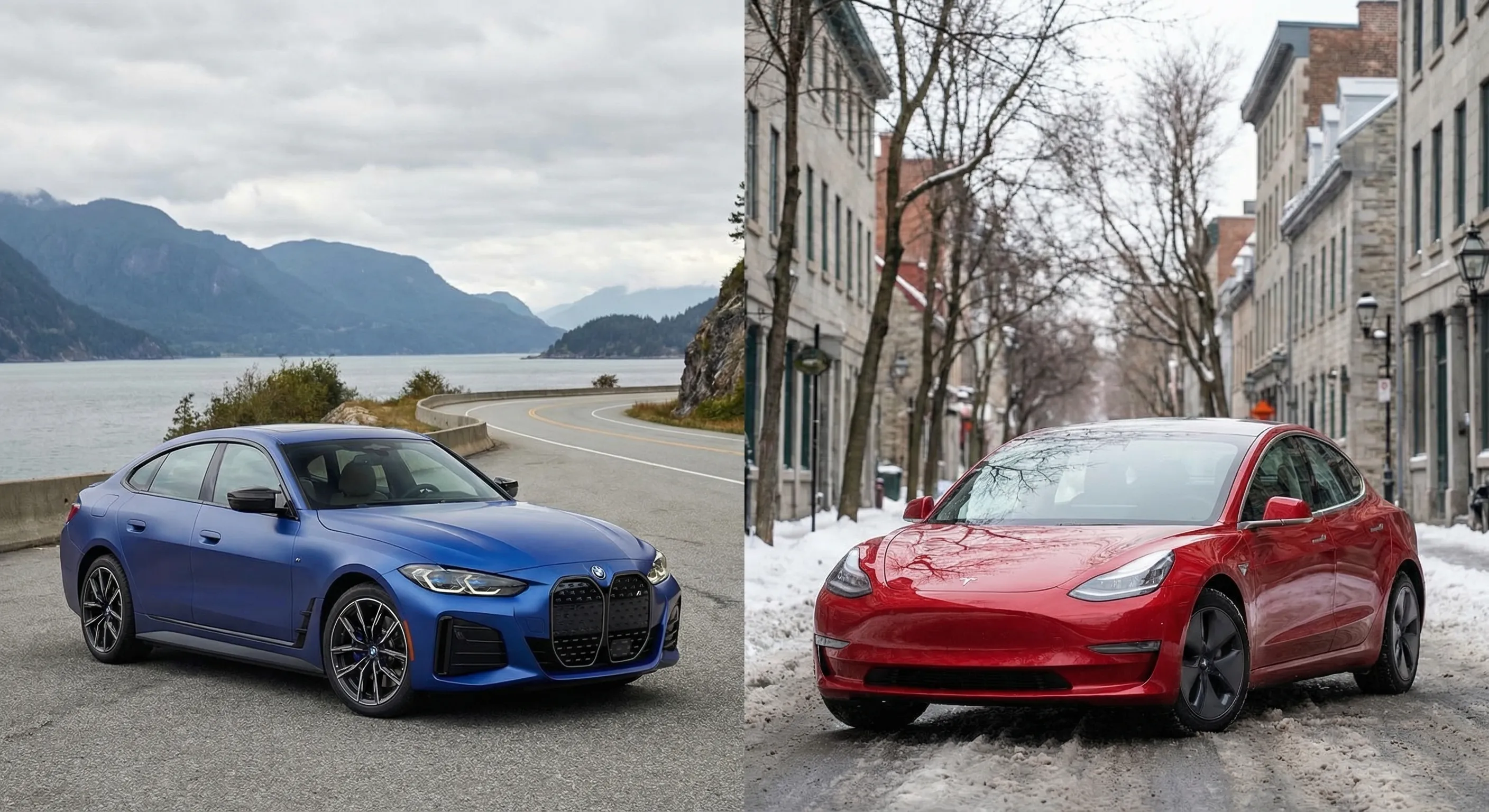
BMW i4 vs Tesla Model 3: Is the $11K Luxury Premium Actually Worth It?
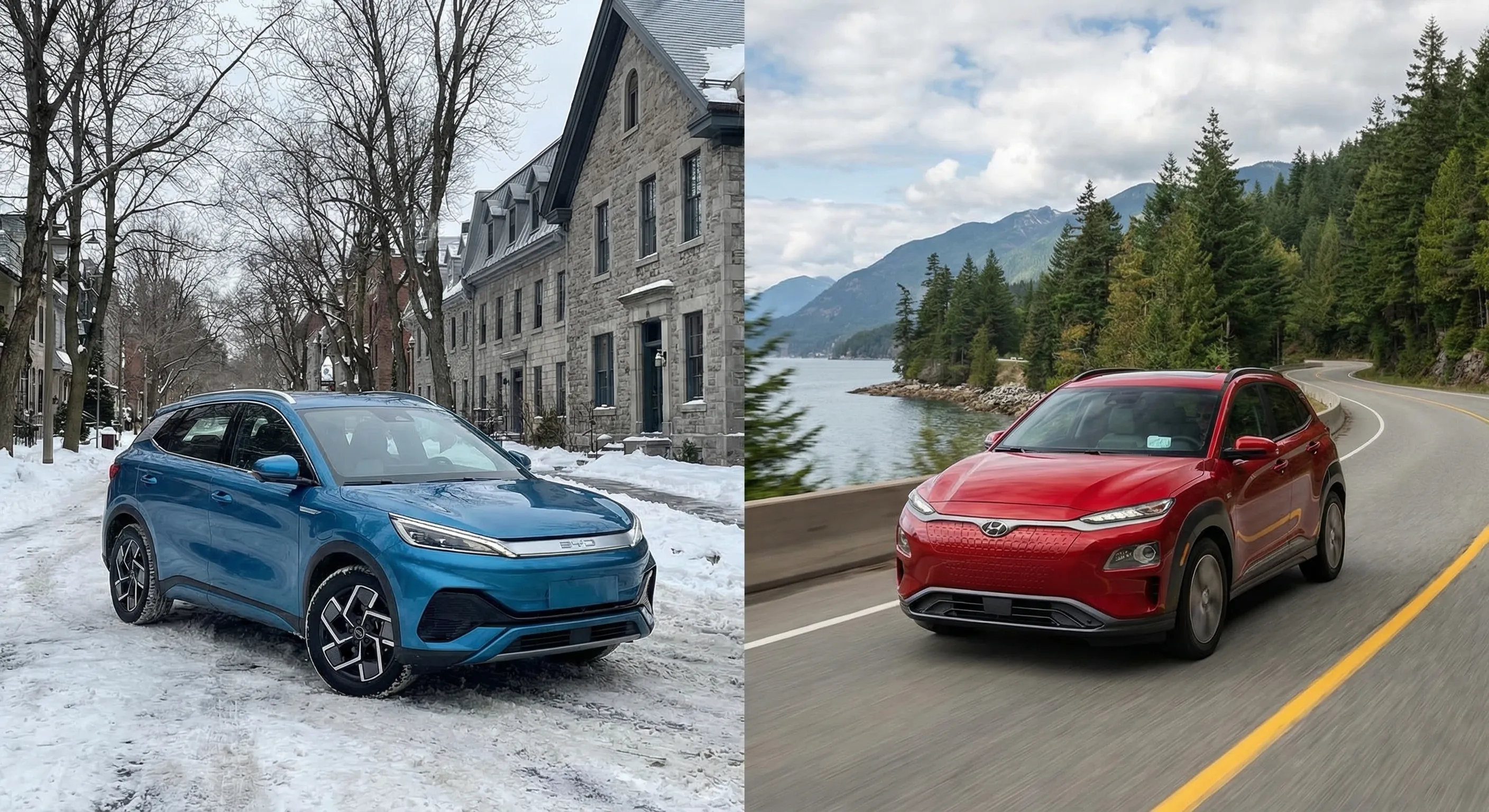
BYD Atto 3 vs Hyundai Kona EV: The $35K Showdown Canadian Buyers Will Actually Face