The argument had one job: find a single American ZIP code where a gas car beats an EV on lifetime greenhouse gas emissions. MIT looked at all of them. There isn't one.
That is the finding from the MIT-led lifecycle analysis making the rounds this week, and it closes the last empirical escape hatch for the dirty-grid objection. The efficiency gap between a battery-electric drivetrain and an internal-combustion one is wide enough that even the coal-heaviest corner of the American grid cannot flip the outcome over a vehicle's service life.
Key takeaways
- MIT checked every U.S. ZIP code against its actual grid mix, not one flipped the result in gas's favour.
- The manufacturing debt (50–80% more CO₂ upfront for EVs) clears within 15,000–40,000 km depending on local grid.
- Cold-climate range loss and heat-pump penalties stretch the payback window but never close the emissions gap.
- Canada's 83% non-emitting grid makes the math more lopsided than even the best American cases MIT measured.
- The dirty-grid objection was structurally unfalsifiable by design, MIT's ZIP-code resolution removed the last hiding spot.
Zero ZIP Codes. That's the Number.
The methodological move is the story. Previous lifecycle studies compared national or state averages, which left room to argue that some specific location, your location, presumably, was the exception. MIT ran the numbers at ZIP-code resolution against the actual generation mix serving that ZIP. The result: no location produced higher lifetime EV emissions than a comparable gas car.
Manufacturing is where the gas-car side of the ledger looks best. Building an EV emits roughly 50–80% more CO₂ upfront than building a comparable gas car, and the electricity used to charge it carries carbon that varies with how the local grid is generated, coal and natural gas at one end, wind and solar at the other. Coal-heavy grids slow the payback window. They do not reverse it. The efficiency of an electric drivetrain, roughly three to four times the well-to-wheel efficiency of combustion, compounds every mile until the manufacturing debt clears and then keeps compounding.
Cold-climate penalty exists and is quantified in the same analysis. Range drops, heat-pump losses stack, and the payback stretches. It still doesn't close the gap. An MIT-led study found EVs usually beat gas cars on emissions, but the advantage varies sharply by location and driving habits, "varies sharply" is doing real work in that sentence, but the variance is between how much cleaner, not whether.
The framing that EVs simply offload tailpipe emissions to the power plant has been the load-bearing beam of anti-EV argument for a decade. MIT's ZIP-code framing closes the location escape hatch the argument depended on.
Gear worth having
As an Amazon Associate, ThinkEV earns a small commission from qualifying purchases — at no extra cost to you.
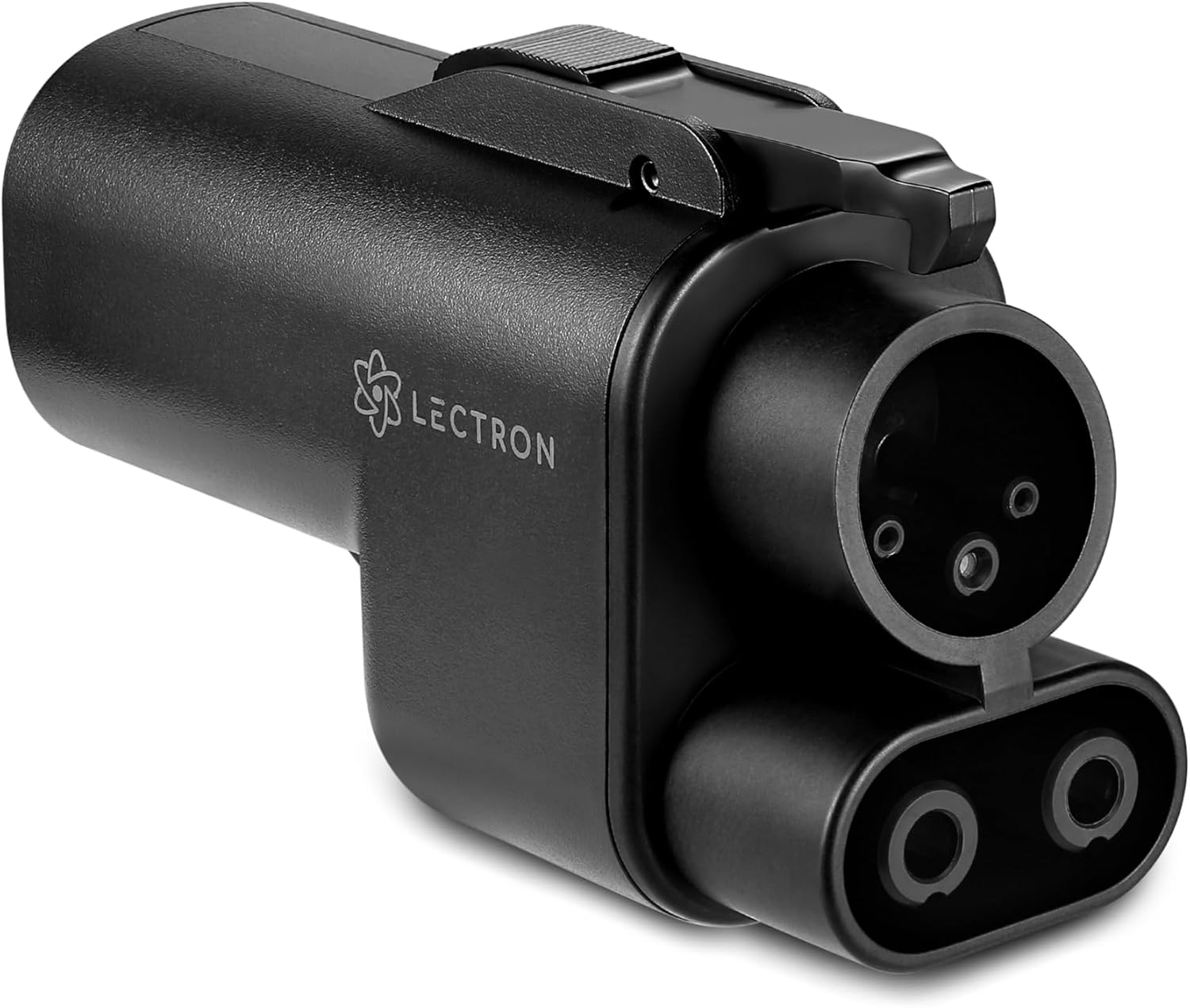
Lectron NACS to CCS Fast-Charge Adapter
Unlock every CCS fast charger for your Tesla, up to 500A DC. Never get stranded at a non-Tesla DC station again.
As an Amazon Associate, ThinkEV earns from qualifying purchases — at no extra cost to you.
Gear worth having
As an Amazon Associate, ThinkEV earns a small commission from qualifying purchases — at no extra cost to you.
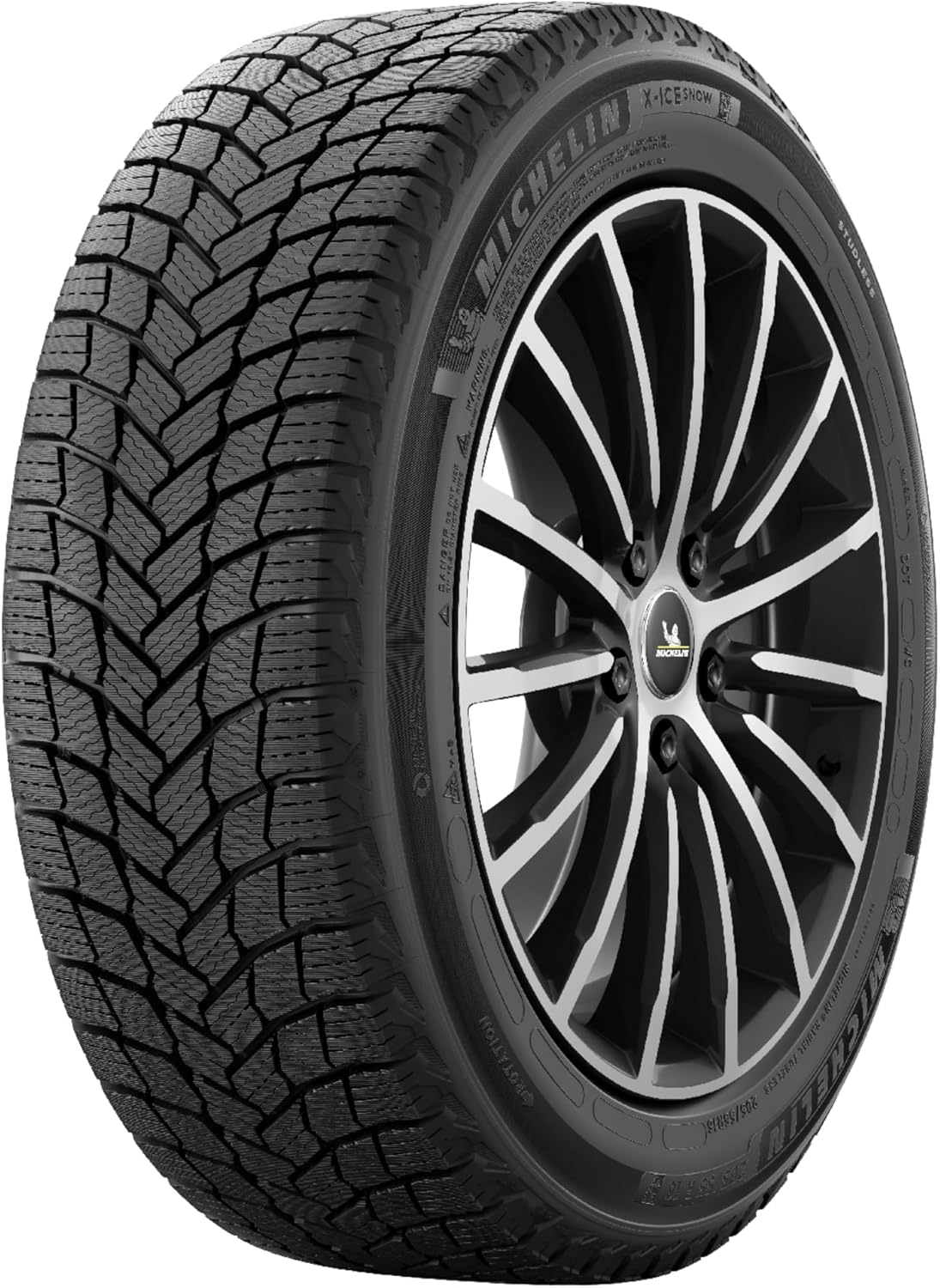
Michelin X-Ice Snow Tires (EV-rated)
EV-specific winter tires with low rolling resistance that recover up to 15 percent of cold-weather range. Mandatory in Quebec, smart everywhere else.
As an Amazon Associate, ThinkEV earns from qualifying purchases — at no extra cost to you.
Canada's Grid Makes the Math More Lopsided, Not Less
Canada's national grid runs roughly 83% non-emitting, hydro, nuclear, wind, and a growing solar contribution. The manufacturing debt clears faster here than in most American states, and the lifetime delta widens correspondingly. In British Columbia and Quebec, where hydro dominates, lifetime EV emissions land in near-zero territory on a well-to-wheel basis.
Alberta and Saskatchewan are the stress cases. Their grids still lean heavily on natural gas and, in Alberta's case, residual coal. Even there, the MIT framework holds directionally, the payback window is longer, not infinite. The gap the study measured in West Virginia is wider than anything in the Canadian mix.
EVAP compresses the upfront-cost side of the equation MIT treats as fixed. A $5,000 federal rebate against a BEV under $50,000 shifts the total-cost-of-ownership crossover forward, and the emissions crossover was already sitting somewhere between 15,000 and 40,000 kilometres depending on the grid. The efficiency argument that Chinese programmes prioritised a decade ago, shape and drag over battery size, is the same argument MIT is measuring here, in different clothes. For readers weighing brand strategy against grid math, the technical breakdown of why shape beats curb weight sits in the same family of arguments.
Gear worth having
As an Amazon Associate, ThinkEV earns a small commission from qualifying purchases — at no extra cost to you.

PULIDIKI Car Cleaning Gel (Detailing Putty)
Press it into vents, buttons, and seams and it lifts out dust you did not know was there. Weirdly satisfying, genuinely useful.
As an Amazon Associate, ThinkEV earns from qualifying purchases — at no extra cost to you.
Gear worth having
As an Amazon Associate, ThinkEV earns a small commission from qualifying purchases — at no extra cost to you.

WixGear Magnetic Air Vent Phone Mount (2-Pack)
A magnet strong enough that your phone never flinches over potholes or rail crossings. Two in the box, one for each car.
As an Amazon Associate, ThinkEV earns from qualifying purchases — at no extra cost to you.
The Dirty-Grid Objection Was Always a Delay Tactic
The dirty-grid argument was structurally unfalsifiable by design. Every grid improvement was met with a new threshold: fine, but what about coal states; fine, but what about winter; fine, but what about a specific ZIP code somewhere in Appalachia. MIT's ZIP-code framing removes the last place the objection could hide, because the study checked every location.
The next iteration of the argument will move to battery mining, and the emissions-accounting framework MIT built applies there too, the numbers are already in the lifecycle total. The empirical debate is closed. The political one isn't, and from here on, conflating the two is the tell.
Gear worth having
As an Amazon Associate, ThinkEV earns a small commission from qualifying purchases — at no extra cost to you.
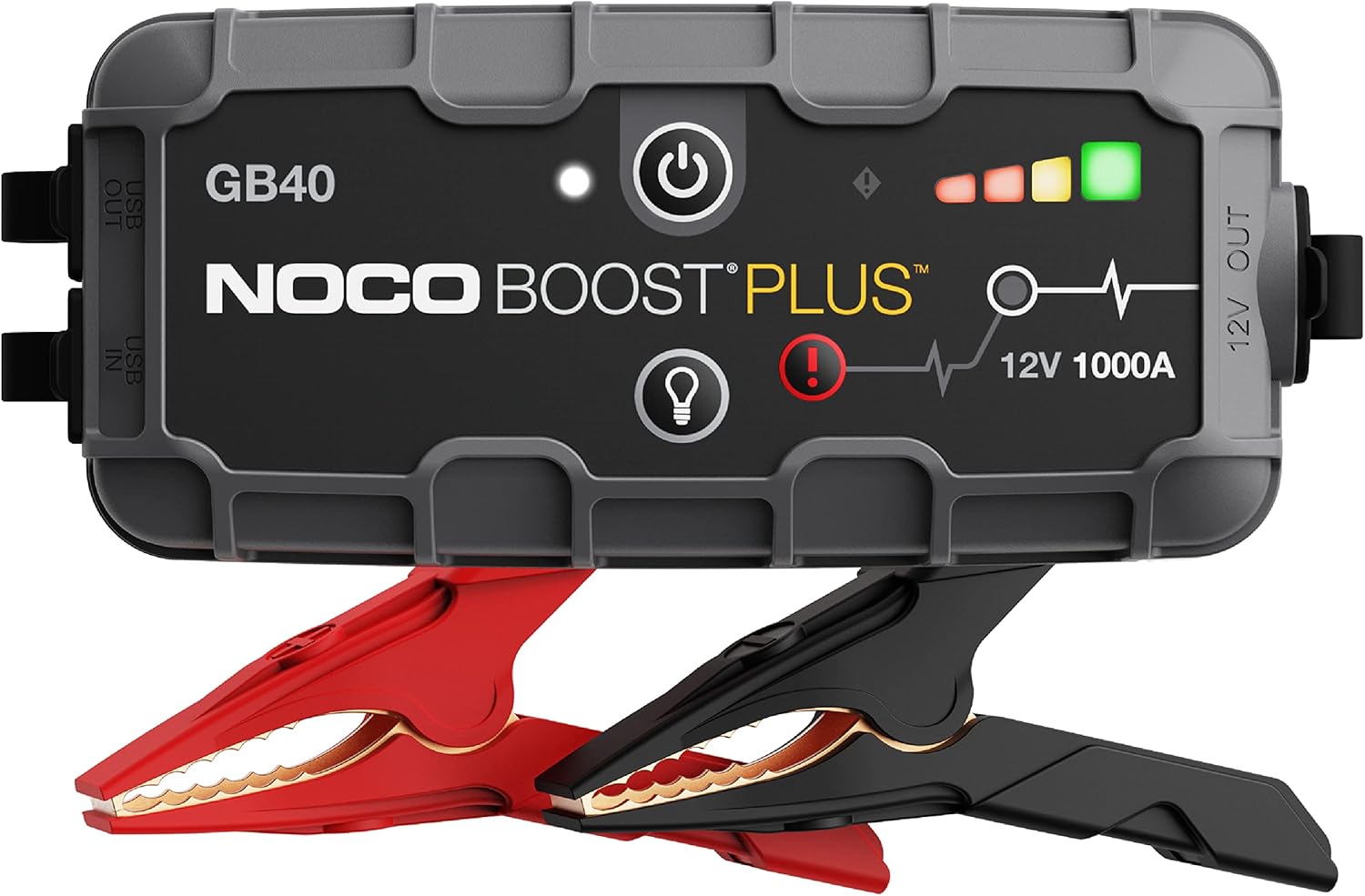
NOCO Boost Plus GB40 Jump Starter
A 1000A lithium jump starter that fits in your glovebox and works on any 12V battery. Your insurance against a dead 12V in a parking lot.
As an Amazon Associate, ThinkEV earns from qualifying purchases — at no extra cost to you.

Founder & Chief Editor
Vlad Pereira is the founder and chief editor of ThinkEV.ca, the Canadian electric-vehicle publication he writes and edits from Courtenay, British Columbia. He covers EV pricing, federal and provincial rebates, charging costs, and the Chinese manufacturers now entering Canada, from the buyer's side rather than the press-fleet side. ThinkEV is a venture of Vlad Pereira Online; his writing on health, income and the long game lives at vladpereira.com.
Frequently asked questions
Does Canada's dirtier grid in Alberta change the MIT conclusion?
How far do you have to drive before the manufacturing debt clears?
What did MIT do differently from previous EV lifecycle studies?
Does cold weather shrink the emissions advantage enough to matter?
What's the honest rebuttal to the battery-mining counterargument?
More EV & road-trip finds
Affordable upgrades worth a look — tap any to check the price on Amazon.
 ★ 164
★ 164Solar-Powered LED Ambient Light
View on Amazon ★ 4,055
6-Speed Manual Shift Knob Display
View on Amazon ★ 21,304
Car Headrest Hooks (4-Pack)
View on Amazon ★ 297
★ 297360-Degree One-Hand Dashboard Phone Mount
View on Amazon ★ 61
★ 61Toddler Car Seat Snack and Cup Tray
View on Amazon ★ 17,839
Qifutan Vent Phone Mount (Military-Grade Clip)
View on Amazon ★ 12,051
Windex Electronics Screen Wipes
View on Amazon ★ 419
★ 419RGB Car Interior LED Strip Light
View on AmazonRead, Plan, Then Stay Current
Explore our expert articles to understand incentives and ownership costs, use the map to pressure-test charging reality, then subscribe so new EV coverage comes straight to you.
Continue Reading
Mercedes Factory Closures: Two German Plants at Risk
Used EVs Just Passed UK Safety Tests Better Than Petrol
Nissan Pixo: Europe Gets a Renault Twingo in Nissan Clothes
BYD Great Seagull: A Bigger $10,000 EV Hatch Is Coming

10–97% in 9 Min: Sunwoda Joins the Flash Charging Race