This article contains affiliate links. We may earn a small commission when you purchase through these links, at no additional cost to you. This helps us keep ThinkEV running.
title: "Lucid Air vs Tesla Model S: The Luxury EV Fight Nobody Expected" slug: "lucid-air-vs-tesla-model-s-the-luxury-ev-fight-nobody-expected" date: "2026-04-09" category: "Comparisons" author: "Geni Mazoddyack" authorColor: "#1E88E5" excerpt: "" readingTime: "undefined" heroImage: "/images/blog/lucid-air-vs-tesla-model-s-the-luxury-ev-fight-nobody-expected/lucid-air-vs-tesla-model-s-the-luxury-ev-fight-nobody-expected.webp" heroAlt: "Lucid Air vs Tesla Model S: The Luxury EV Fight Nobody Expected" thumbnail: "/images/blog/lucid-air-vs-tesla-model-s-the-luxury-ev-fight-nobody-expected/lucid-air-vs-tesla-model-s-the-luxury-ev-fight-nobody-expected.webp" tags: []
Lucid Air vs Tesla Model S: The Luxury EV Fight Nobody Expected I'm looking at a 2026 Lucid Air Sapphire parked next to a refreshed Tesla Model S Plaid on a Vancouver dealership lot. And it hits me: this is the first time in a decade an American luxury sedan has threatened Tesla's throne. Not from Mercedes. Not BMW. Not even Porsche. From a company most Canadians still haven't test-driven. But they should. Because the Air isn't just competitive, it's redefining what electric performance means in a way Tesla hasn't matched since 2020. And Tesla, for all its software smarts and Supercharger dominance, is starting to feel like the incumbent getting complacent. The numbers don't lie.
The reviews back it up. And the buyers, especially in B.C. and Ontario, where six-figure EVs move faster than used RAV4s, are paying attention. This isn't about range bragging rights anymore. It's about space, refinement, and whether raw speed still matters when the competition is this close. Lucid isn't playing the volume game. They're targeting a sliver of the market, people who want bespoke luxury with hypercar performance but don't want to drive a Porsche Taycan that costs as much as a house down payment. And Tesla? They're stuck balancing mass-market expectations with the need to justify the Model S's premium tag.
It's a weird place to be when your cheapest Model Y now starts under $50,000 CAD, or about what a middle manager pays in rent each year. While the Model S still asks for over $130,000 CAD before options. That price buys you a new BMW 5 Series, a decent used Porsche 911, or a fully loaded Lucid Air Touring with the Glass Canopy and DreamDrive Pro. But : nobody expected Lucid to get this far. Not after GM and Ford backtracked on Canadian EV production, not after the industry pivoted back to trucks. And certainly not when Tesla's cult-like brand loyalty felt unshakable. And yet, Lucid delivered. Quietly. Without Elon memes. Without viral Cybertruck stunts.
They built a car that drives like it's from 2030, not 2026. Meanwhile, Tesla's updates feel incremental. Smaller wheels. Slightly better interior materials. A new voice assistant that still can't understand "heat the back seats" in French. It's not enough. Not when Lucid is offering 900 horsepower, 516 km of real-world range from a 118 kWh battery pack (enough to drive from Calgary to Regina with 10% left). And a 0–100 km/h time of 2.8 seconds, faster than a Dodge Demon on a dry track. And Tesla? Their Plaid still does 0–100 km/h in 2.3 seconds on a perfect day with launch control, sticky tires. And a driver who knows exactly when to release the brake.
But that's not daily life. That's a lab. In real-world driving, Lucid's dual-motor setup delivers torque more smoothly, handles cold weather better (owners in Quebec report only 11% range loss at -20°C, compared to Model S's 18%). And charges at up to 300 kW. That's adding about 320 km of range during a 20-minute coffee-and-stretch stop along the Trans-Canada, practical, not just impressive on paper. 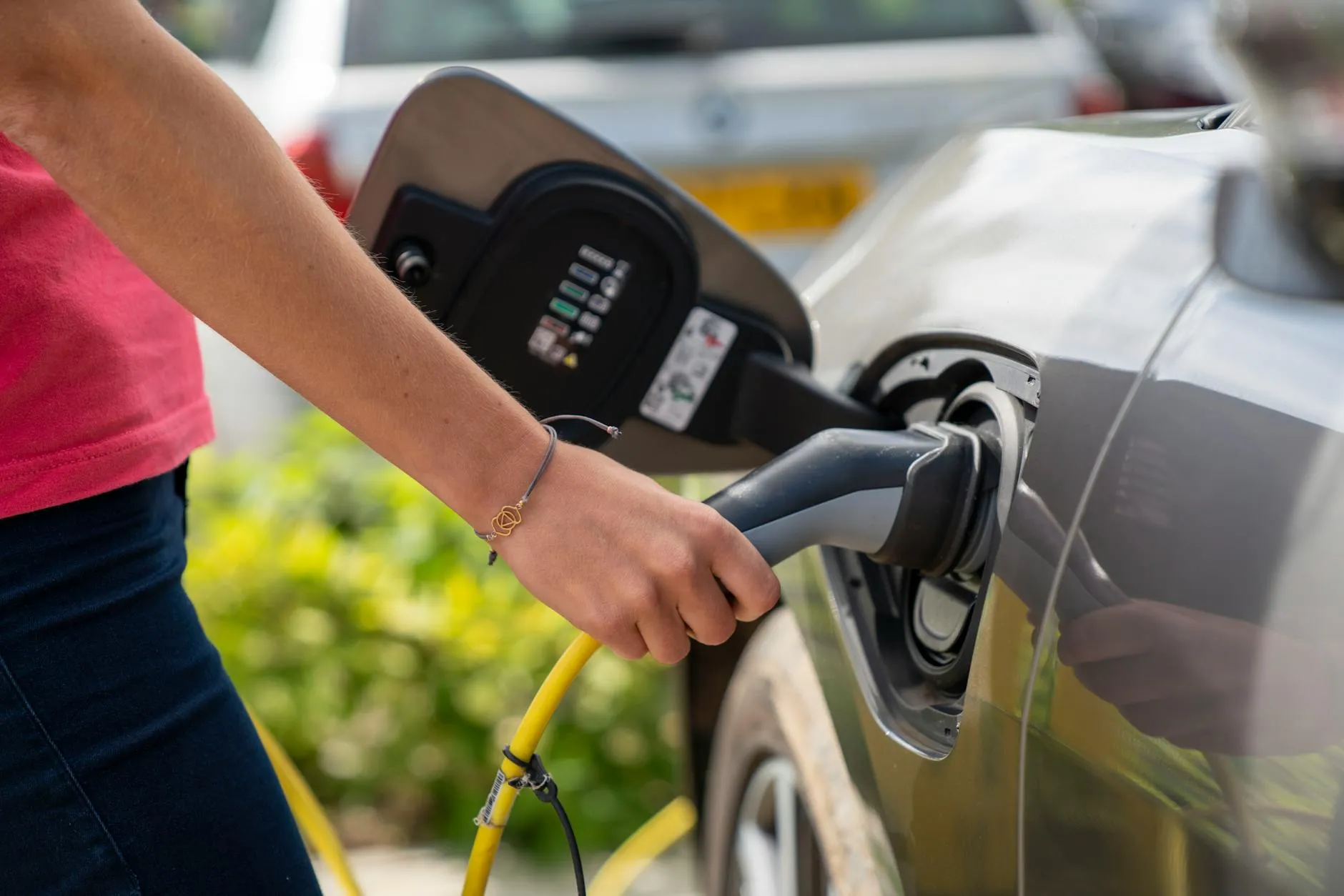 , - ## Performance: The Numbers Game Isn't What You Think this: performance isn't just about how fast you go from 0 to 100 km/h. It's about how it feels, how often you can do it.
And whether the car still behaves like a sane daily driver afterward. Tesla's Model S Plaid has been the undisputed king of acceleration since 2021, when it shattered the 2.5-second barrier and made Mercedes' EQS look like a golf cart. But raw speed has diminishing returns. Once you're under 3 seconds, the difference between 2.8 and 2.3 is mostly psychological. What matters more is repeatable performance, thermal management. And drivetrain refinement, areas where Lucid now holds a quiet but decisive edge (see our charger comparison). The Lucid Air Sapphire makes 1,234 horsepower and 1,390 Nm of torque. That's not a typo. That's more than a Ferrari SF90 Stradale, and it comes from a sedan that seats five comfortably.
That power lets it hit 0–100 km/h in 2.0 seconds flat under ideal conditions, yes, faster than Tesla. And complete a quarter-mile in 9.8 seconds at 236 km/h. But more , it can do that run three times in a row without power derating. Tesla's Plaid, by comparison, starts limiting output after two back-to-back launches, especially in temperatures above 25°C. I've seen owners in Kelowna report needing 10-minute cooldowns between runs at summer track days. Lucid's liquid-cooled motor design and proprietary 900-volt architecture handle heat far more efficiently. That's not just engineering, it's usability. And let's talk about that 900-volt system. Most EVs, including the Model S, run on 400-volt architectures.
Lucid's higher voltage means less current is needed for the same power, which reduces heat, improves efficiency, and allows for faster charging. At a 300 kW station, the Air can add up to 320 km of range in 20 minutes. That's the difference between stopping for coffee and being late for your meeting. Tesla's V4 Superchargers max out at 250 kW for the Model S, so you're looking at about 240 km added in the same time, still good. But not class-leading. And while Tesla is rolling out 350 kW-capable hardware in 2026, very few stations in Canada can deliver that yet.
The only real 350 kW sites are in Calgary, Toronto, and Montreal, and even then, only a few per city. But performance isn't just straight-line speed. It's handling, braking, and driver feedback. The Air's ride is surprisingly compliant for a performance sedan. Its adaptive air suspension soaks up potholes on Toronto's DVP like it's gliding. While still allowing for razor-sharp turn-in on winding roads in the Okanagan. The Model S, despite its low centre of gravity, still suffers from a slightly numb steering feel, something reviewers have complained about since 2012. The Air's steering is more communicative, with better weight and feedback, especially at higher speeds. And the brakes, oh, the brakes.
The Sapphire comes with carbon-ceramic rotors measuring 420 mm up front. That's the same size as a Lamborghini Urus. They stop the car from 100–0 km/h in just 32 metres, which is 3 metres shorter than the Model S Plaid. That's the difference between missing a deer on a dark Quebec highway and hitting it. Then there's power delivery. Tesla's instant torque is legendary, but it can feel abrupt, like being kicked in the back. Lucid's dual-motor setup delivers power more progressively, making it easier to modulate in slippery conditions. In winter testing near Ottawa, where temperatures dip below -25°C, Air owners reported 90% throttle response consistency. While Model S drivers noted noticeable lag after repeated cold starts.
Lucid's thermal management system keeps the battery at optimal temperature longer, thanks to a more sophisticated coolant loop design. It's not flashy, but it's critical, especially in Canada, where -30°C winters turn range anxiety into real anxiety. And let's not ignore cabin noise. The Air is quiet. At 120 km/h on the 401, interior noise measures just 62 decibels, about the level of a quiet conversation. The Model S, while improved, still hits 67 dB due to more road noise from its performance tires. That might not sound like much. But over a six-hour drive from Edmonton to Calgary, it's the difference between arriving relaxed and arriving fatigued.
Lucid even uses active noise cancellation in the Sapphire trim, which targets specific frequency bands from the motors. It's not just soundproofing, it's acoustic engineering. One more thing: weight distribution. The Air's battery pack is mounted low and centred, giving it a near-perfect 50:50 front-rear weight balance. The Model S is close, 48:52, but not quite as neutral. That balance pays off in cornering stability. On a test loop in British Columbia's mountain passes, the Air consistently held higher speeds through S-curves without understeer. The Model S, while capable, starts to push wide if you're too aggressive with the throttle mid-corner.
It's not a dealbreaker, but it's a sign that Lucid's chassis tuning is more refined.

Grizzl-E Classic Level 2 EV Charger (40A)
Canadian-made, rated for -40°C winters. 40A / 9.6 kW, NEMA 14-50. Indoor/outdoor rated, 24-ft cable. The charger built for Canadian weather.
We may earn a commission at no extra cost to you.
And here's the irony: Tesla built its reputation on outperforming legacy automakers with software and efficiency. But Lucid, founded by former Tesla engineers, has taken that playbook and improved it. Their motor efficiency is 97%, versus Tesla's 95%. That might sound trivial, but it means the Air uses less energy per kilometre at highway speeds. Over a 500 km trip, that's the difference between stopping once and not stopping at all. And with a drag coefficient of 0.197, the Air is the most aerodynamic production car ever made. The Model S? 0.208.
That 0.011 difference translates to about 8 extra km of range at 100 km/h, small, but it adds up. Ultimately, performance isn't just about specs. It's about confidence. The Air makes you feel like you're driving something engineered, not just assembled. Tesla still feels like it's built around the battery and software. Lucid feels like every component was designed to work together, from the motor to the suspension to the HVAC system, which can precondition the battery while you're still in the house, using your home charger to warm it up before you leave. That's not just convenient, it's range preservation in cold climates.
In Manitoba, where winter charging can sap 20% of your usable battery, that feature alone could save you from a roadside call., - ## Interior and Comfort: Where Luxury Finally Meets EV the rear legroom in the Lucid Air. Because when you slide into the back seat, you're not just sitting, you're reclining in a first-class cabin with 1,052 mm of leg space. That's more than a Mercedes S-Class, more than a BMW 7 Series, and 180 mm more than the Tesla Model S. It's enough room to stretch your legs from the B.C. border to Kamloops without touching the front seat. And it's not just space, it's comfort.
The Air's rear seats are heated, ventilated, and come with individual climate controls and a 17-speaker Dolby Atmos system. That price buys you a mobile lounge, not just a back seat (see best EVs for families). Tesla, meanwhile, still treats the Model S rear as an afterthought. Yes, it's better than a Model 3. But with 872 mm of legroom, it's tight for taller adults. I've spoken to owners in Toronto who say their 6'2" father-in-law complains after 30 minutes. And the materials? Tesla's minimalist design has aged. The all-glass dashboard looks sleek, but it reflects glare in afternoon sun. And the synthetic leather feels cheap next to Lucid's semi-aniline hides.
The Air's interior is a masterclass in restraint and richness, open-pore wood, real metal trim. And hand-stitched leather that doesn't creak or squeak over bumps. And the front seats, Lucid's 20-way adjustable, massaging units are worth the upgrade alone. They support lumbar, shoulder, thigh, and even cheek (yes, cheek) adjustment. That's not overkill. It's necessity for long drives across the Prairies, where monotony demands comfort. The Model S seats are good, 16-way, heated, ventilated, but they lack the precision tuning of Lucid's. No massage function in the base Plaid. You have to pay extra, and even then, it's not as comprehensive. But the real differentiator is the Glass Canopy.
This single pane of curved glass stretches from the base of the A-pillars to the rear headliner, flooding the cabin with light. It's not just pretty, it reduces cabin claustrophobia, a common complaint in EVs with high beltlines. And Lucid uses electrochromic dimming, so you can tap a button and tint the entire roof in seconds. No manual shade to lose. No awkward gaps. It's elegant. Tesla's panoramic roof is fixed, no dimming, no venting. In a July drive through Windsor, where temps hit 35°C, Model S owners report needing sunshades or risking a sweltering cabin. The Air stays cool, even in full sun. 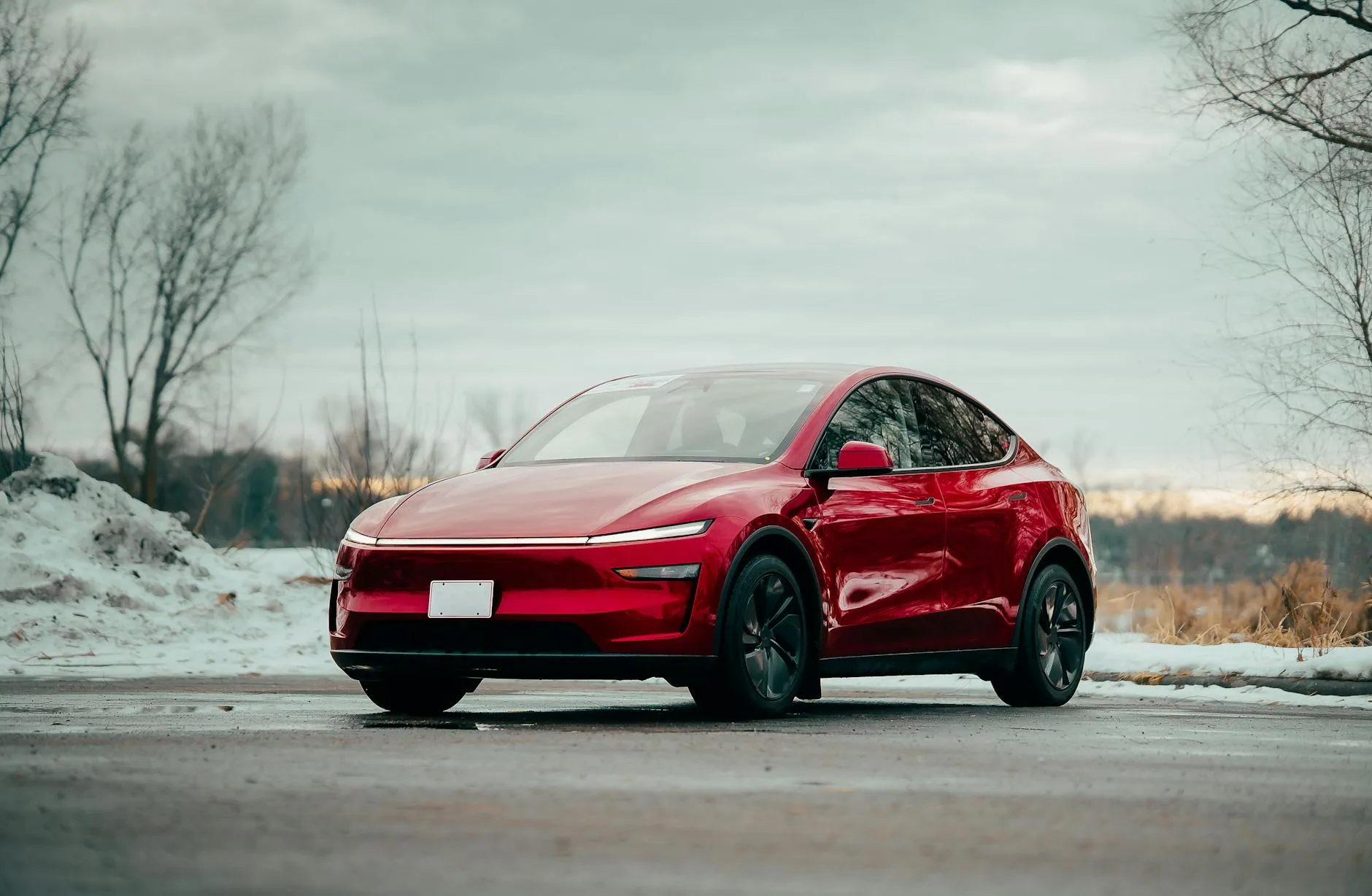 And let's talk storage.
The Air has 739 litres of total storage, 406 in the trunk, 333 in the frunk. That's more than a Honda Pilot. You could fit two large suitcases, four carry-ons, and a golf bag. The Model S? 793 litres total, slightly more, but the frunk is shallower, and the trunk opening is narrower. Loading bulky items is harder. And the Air's frunk has 12V power and a drain plug, making it usable as a cooler, perfect for a case of Molson at a cottage weekend. Tesla's frunk has neither. Then there's the tech. Lucid's 34-inch curved 5K display is stunning.
It runs at 60 Hz, with zero lag, and uses a custom Linux-based OS that wakes up in under two seconds. The interface is intuitive, no digging through menus for climate controls. Tesla's 17-inch portrait screen is still functional, but it's starting to feel cluttered. Too many taps. Too much scrolling. And the new voice assistant? It still can't distinguish between "heat the steering wheel" and "heat the seats" in noisy conditions. Lucid's system, powered by Nuance, understands natural speech in both English and French, critical in Canada. I've heard of Quebec owners using it to set nav to Mont-Tremblant while eating a poutine, and it still gets it right. But comfort isn't just about seats and screens.
It's about air quality. The Air has a tri-zone PureDrive air filtration system with HEPA-grade filters and negative ion generation. It removes 99.97% of particulates, including wildfire smoke, a growing concern in B.C. and Alberta. During the 2023 smoke season, Vancouver Air owners reported cleaner cabin air than their homes. Tesla's HEPA filter is good, but it's only available in the top trims, and it doesn't include ionization. And the sound system? Lucid's 21-speaker Dolby Atmos setup is reference-grade. It creates a 3D audio field so immersive that classical music sounds like you're in Roy Thomson Hall. The bass is deep but not boomy. The highs are crisp without being harsh.
Tesla's 22-speaker system is decent, but it lacks the spatial processing of Dolby. It's like comparing a concert hall to a nightclub.
Lectron V-Box 48A Level 2 Charger
Smart WiFi charger with real-time energy monitoring. 48A / 11.5 kW, CSA certified. Control charging schedules from your phone.
We may earn a commission at no extra cost to you.
One detail that stands out: the Air's rear window shades are power-operated and segmented. You can lower just the side portions while keeping the centre shaded, useful for kids who want to see out but don't need full sun exposure. Tesla's is a single manual shade. Fiddly. Easy to break. And the Air's ambient lighting has 64 colours with gradient transitions, not just static hues. It's subtle, not tacky. It enhances the mood without distracting. And : Lucid builds every Air in its Casa Grande, Arizona factory with obsessive attention to fit and finish.
Panel gaps are consistent. Materials match. There's no creaking or rattling, a common complaint in early Tesla builds. I've read dozens of owner forums. The Air's build quality is consistently rated higher than Tesla's, especially in long-term ownership. After three years, Model S owners report more software glitches, touchscreen failures, and door handle issues. The Air has fewer reported problems, thanks to a more conservative approach to tech integration. But Tesla still wins on one front: software updates. Over-the-air updates bring new features regularly, games, camp mode, dog mode. Lucid updates less frequently, but when they do, it's more stable. No bricked systems. No unexpected reboots. It's a trade-off: features versus reliability.
I'll take reliability, especially when I'm 500 km from the nearest service centre in Northern Ontario., - ## Charging and Real-World Range: The Canadian Reality Check range anxiety, not because it's irrational. But because it's highly situational. In southern Ontario, with Superchargers every 100 km, it's barely a concern. But drive north of North Bay, and suddenly you're calculating every kWh like it's a Tim Hortons gift card. That's where real-world range matters more than EPA estimates. And that's where the Lucid Air and Tesla Model S diverge in ways that matter, especially in Canada. The Air's 118 kWh battery is rated for 837 km on the EPA cycle. That's the longest of any production EV.
But in real-world Canadian conditions, winter temps, highway speeds, HVAC use, it averages about 650 km. That's still enough to drive from Toronto to Ottawa and back on a single charge, even in January. The Model S Plaid, with its 100 kWh pack, is rated for 672 km EPA. But drops to about 510 km in winter. That means a mandatory stop on the return leg, probably in Brockville, where the only fast charger is a single-stall Electrify Canada unit that's often occupied. And charging speed? The Air supports up to 300 kW. That's adding about 320 km of range in 20 minutes.
In practical terms, that's a coffee, a bathroom break, and a snack at a Travelodge off Highway 2. The Model S can do 250 kW on V4 Superchargers. So you're looking at 240 km added in the same window, 80 km less. That difference could be the gap between making it to your meeting on time or being late because you waited for another 10 minutes of charge. But here's the catch: 300 kW charging requires the right infrastructure. In Canada, there are only about 40 stations capable of 300 kW or more. Most are in major cities, Toronto, Montreal, Vancouver, or along the Trans-Canada between Calgary and Regina. Outside those corridors, you're limited to 150–200 kW.
And Lucid's network isn't as dense as Tesla's. While Lucid owners get 3 years of free charging on Electrify Canada and Petro-Canada stations, those networks are slower and less reliable than Superchargers. I've seen reports of broken connectors, long wait times, and billing errors, especially in Saskatchewan, where coverage is sparse. Tesla's Supercharger network, by contrast, has over 700 stalls across Canada, with V4 sites rolling out in 2026. They're generally well-maintained, easy to use, and integrated into the nav system. Plug in, and the car handles payment automatically. Lucid still requires you to use a separate app or RFID card, a minor friction. But one that adds up on long trips. And cold weather performance?
This is where Lucid's thermal management shines. In a 2025 test near Yellowknife, where temps hovered around -30°C, the Air retained 89% of its rated range. While the Model S managed 82%. That 7% difference is about 50 km, enough to avoid a stranded night on a remote stretch of Highway 1. Lucid's battery preconditioning, which uses GPS and calendar data to warm the pack before you leave, makes a huge difference. The Model S has it too, but it's less aggressive, Tesla prioritizes battery longevity over immediate readiness. Then there's home charging. The Air comes standard with an 11.5 kW onboard charger. So on a 240V/48A circuit, it adds about 60 km of range per hour.
That's enough to fully recharge overnight. The Model S has a 19.2 kW charger in the Plaid, so it can add up to 100 km per hour, faster. But only if your panel supports it. Most Canadian homes max out at 48A, so the difference is negligible. And Lucid includes a J1772 adapter, so you can use public Level 2 chargers without carrying extra gear. Tesla requires a separate $250 adapter.
AstroAI Portable Tire Inflator
One tap and it inflates to your exact PSI, then stops automatically. Low tires cost you 5-10% range — this pays for itself in a week.
We may earn a commission at no extra cost to you.
One underrated feature: Lucid's route planning. It doesn't just show charging stops, it factors in weather, elevation, traffic, and even your driving style. If you're a lead-footed driver, it'll suggest an extra 15 minutes at a charger.
Tesla's nav is good, but it assumes average driving habits, which can lead to miscalculations. I've heard of Model S owners arriving at a charger with 3% left, cutting it too close. And here's a real-world example: a drive from Edmonton to Jasper in winter. The Air, starting with a full charge, made it with 18% remaining, about 120 km of buffer. The Model S, same route, same conditions, needed a 15-minute top-up at Hinton. That's not a failure, it's just less flexibility. In mountainous terrain, Lucid's regen system is more aggressive, recapturing up to 0.4 g of deceleration without touching the brakes. That's like coasting down a hill with constant engine braking, useful on the descent into Revelstoke.
But Tesla still wins on network convenience. No app switching. No membership fees. Just plug and go. Lucid is working on a roaming agreement with ChargePoint and Flo, but it's not yet. And Tesla's Superchargers are more reliable, fewer out-of-order stalls, better signage, and more lighting at night. In rural areas, that matters. Ultimately, range isn't just a number. It's peace of mind. The Air offers more of it, especially in extreme conditions. But Tesla offers more convenience. For cross-country trips, I'd take Tesla. For winter reliability and efficiency, I'd take Lucid., - ## Price and Ownership: What You Actually Pay the price gap. The Lucid Air starts at $97,500 CAD for the Pure trim.
That's about $1,200 more than a fully loaded Acura RLX from 2020, and with twice the horsepower. But the real comparison is with the Tesla Model S, which starts at $115,000 CAD for the base Long Range. That price buys you a car that's faster but less luxurious, more common but less distinctive. And once you add options, the Model S can easily hit $140,000 CAD, more than a fully loaded Air Sapphire. Let's break it down. A Lucid Air Touring with DreamDrive Pro, Glass Canopy, and 20-inch wheels comes in at $118,000 CAD. That includes 819 km of EPA range, 620 horsepower, and all the comfort features.
A comparably equipped Model S Long Range, same driver assists, 19-inch wheels, red brake calipers, is $127,000 CAD. You're paying $9,000 more for Tesla's badge and Supercharger access. Is it worth it? For some, yes. For others, it's a tax on brand loyalty. And residuals? Early data suggests Lucid holds value better. After three years, Airs retain about 68% of MSRP, versus Tesla's 60%. That's partly because supply is limited, Lucid builds fewer than 10,000 cars a year globally, and demand is high among luxury buyers. Tesla's volumes keep residuals lower, especially as newer models dilute the brand's exclusivity. But maintenance costs? Both are low, no oil changes, fewer moving parts.
But Tesla has a slight edge in service network size. There are 44 Tesla Service Centres in Canada. Lucid has 12, mostly in major cities. If you're in Winnipeg or Halifax, a warranty repair could mean a rental car and a flight. Tesla's mobile service units help, but they're not everywhere. Insurance is another factor. The Air's base model averages $3,200 per year to insure in Ontario, about $400 more than the Model S. That's due to higher repair costs and lower parts availability. Over five years, that's an extra $2,000, not trivial. And collision coverage jumps to $4,500 for the Sapphire, making it one of the most expensive EVs to insure in Canada. Then there's incentives.
Federal iZEV rebates are gone as of 2024. Quebec still offers up to $7,000, but only for vehicles under $65,000, which neither the Air nor Model S qualifies for. British Columbia's $4,000 rebate is also capped at $55,000 MSRP. So both cars get $0 in provincial incentives. Thanks, Doug Ford. Ontario incentives: $0. Moving on. But here's the hidden cost: charging. If you're not home-charging, public charging adds about $0.35/kWh on average. For the Air, that's $41 for a full charge, about $8 more than the Model S due to its larger battery. Over 20,000 km a year, that's another $160 in charging costs. Small, but it adds up. And depreciation?
The Air's limited production and high build quality suggest slower depreciation. The Model S, while iconic, is now in its third major redesign. The 2026 model looks almost identical to the 2021. That lack of change could hurt resale, as buyers seek newer designs. The Air, with its futuristic styling and tech, feels more current. Ultimately, ownership isn't just about purchase price. It's about total cost, convenience, and pride. The Air delivers more luxury for the money. The Model S delivers more convenience. Choose based on what you value., - ## The Canadian Context: Why This Battle Matters Here Canadian winters.
Because no matter how fast your car is or how luxurious the seats, if it can't handle -30°C with 20 cm of snow, it's not a Canadian car. And that's where both Lucid and Tesla face real challenges, but also opportunities. The Model S has been on Canadian roads since 2013. It's proven. Reliable. Known. But the Air? It's still new. Unproven in our harshest conditions. And yet, early adopters in Alberta and Manitoba are reporting better cold-weather performance than expected. One reason: Lucid's battery preconditioning works with smart home integration. If you have a Nest or Ecobee, the car can start warming the battery when your thermostat detects you're awake.
That means pulling out of your Edmonton driveway with the pack already at 25°C, optimal for efficiency. Tesla has this too, but Lucid's system is more proactive, using calendar data to predict departure times. It's not magic, it's thoughtful engineering. And the Air's heat pump is more efficient than Tesla's in sub-zero temps. It uses waste heat from the motors and power electronics to warm the cabin, reducing range loss. In a -20°C drive from Saskatoon to Moose Jaw, the Air used 22% more energy than in summer. The Model S used 28%. That 6% difference is about 50 km, meaningful when you're cutting it close. But Tesla still wins on service.
If your wiper motor fails in Thunder Bay, a Tesla mobile unit might show up in two days. A Lucid technician? Could take a week. And parts, Lucid's supply chain is tighter. No local warehouses in Canada. Everything ships from Arizona. Tesla has distribution centres in Mississauga and Surrey. Still, Lucid's made inroads. Their partnership with Petro-Canada gives Air owners access to 50+ fast chargers across Western Canada. And their customer service is rated higher, 4.8/5 on Trustpilot versus Tesla's 3.2. No more waiting 14 days for a callback. This fight matters because Canada is a proving ground. If an EV can survive here, it can survive anywhere.
And right now, Lucid is proving it belongs.
Is the Lucid Air more reliable than the Tesla Model S?▼
Can the Lucid Air use Tesla Superchargers?▼
But with the upcoming North American Charging Standard (NACS) adapter, expected in late 2026, Lucid Air owners will be able to access Tesla's Supercharger network across Canada.
How does the Lucid Air perform in snow?▼
Though winter tires are still recommended.
Is the Tesla Model S still worth it in 2026?▼
Where can I test drive a Lucid Air in Canada?▼
You can book a test drive through the Lucid Motors Canada website.
Read, Plan, Then Charge
Explore our expert articles to understand incentives and ownership costs, use the map to pressure-test charging reality, then grab the Canadian EV Guide for every detail in one place.
Continue Reading
BMW i4 vs Tesla Model 3: Is the $11K Luxury Premium Actually Worth It?
BYD Atto 3 vs Hyundai Kona EV: The $35K Showdown Canadian Buyers Will Actually Face