
Xiaomi spent roughly RMB 21 billion on chip R&D over five years, and the Xring D100 is what that bet looks like on paper. A 3nm smart-driving chip, validation complete, commercial deployment scheduled for 2027. The number that matters is the year, not the process node.
Key takeaways
- Xiaomi spent RMB 21 billion on chip R&D over five years to produce the 3nm Xring D100.
- Current Skynomad N70 and N90 SUVs run Nvidia Thor at ~700 TOPS, the D100 must beat that to justify replacement.
- BYD's in-house 4nm Xuanji A3 at 2,100 TOPS set the benchmark Xiaomi is now racing to match.
- The AI Cube prototype stacks all three Xring chips to run large language models locally in a mini-PC.
- Xiaomi must name a D100-equipped model with a calendar-quarter launch before end of 2026, or '2027' becomes a press-release date.
Three Chips, One Architecture Decision
Xiaomi didn't announce one chip this week. It announced three. The Xring O3 is a 3nm flagship mobile SoC that already scores above five million on AnTuTu and is shipping in the Xiaomi 18 Fold. The O100 is a 6nm AI accelerator built around a near-memory architecture with roughly 1.22Tbps of bandwidth, aimed at on-device inference. The D100 is the smart-driving chip, also on 3nm, with validation finished and 2027 the commercial target.
All three came out of the same XRING conference, all three lean on TSMC process nodes, and all three point at the same strategic decision: Xiaomi is done buying its most differentiated silicon from other people. The three-chip announcement shows that Xiaomi is no longer treating custom silicon as a limited smartphone experiment. The AI Cube prototype, a mini-PC that stacks all three chips to run large language models locally, is the vertical-integration thesis made literal. Handset, AI accelerator, driving compute, one lineage, one roadmap.
This is the context BYD set with the Xuanji A3 earlier this year, China's first in-house 4nm ADAS chip at 2,100 TOPS. Two of China's largest consumer-tech companies have now decided that off-the-shelf driving compute is not a competitive position. The obvious rebuttal is that in-house silicon is a vanity flex, Apple-style vertical integration dressed up as strategy in an industry where Nvidia's software stack is what actually locks in developers. That's fair for the mobile chips. It falls apart for automotive, where the update cadence, the sensor-fusion tuning, and the margin on every unit sold are all downstream of who owns the silicon. Renting your most important chip from a competitor is a viable position only until the competitor prices you out or ships you last.
Gear worth having
As an Amazon Associate, ThinkEV earns a small commission from qualifying purchases — at no extra cost to you.

Lectron Level 2 J1772 Charger (40A, WiFi)
Smart WiFi charger with real-time energy monitoring. 40A / 9.6 kW, J1772 with a NEMA 14-50 plug, schedule charging right from your phone.
As an Amazon Associate, ThinkEV earns from qualifying purchases — at no extra cost to you.
Gear worth having
As an Amazon Associate, ThinkEV earns a small commission from qualifying purchases — at no extra cost to you.

Magnetic Car Phone Mount
Snaps your phone to the dash or vent so navigation and charging apps stay in view. The cheapest upgrade that makes every EV drive easier.
As an Amazon Associate, ThinkEV earns from qualifying purchases — at no extra cost to you.
The Nvidia Gap Xiaomi Is Trying to Close, and Why 2027 Is the Number
The comparison Xiaomi is inviting is unflattering in the short term. The current Skynomad N70 and N90 SUVs ship with the Nvidia Thor platform, 4nm, roughly 700 TOPS of compute, the same silicon Geely uses for its G-Pilot H7 stack. Nvidia is the incumbent, and it is the incumbent in the vehicles Xiaomi is selling right now.
The D100 has to beat or match that to justify the replacement, and Xiaomi is not shipping it into anything before 2027. That means the SU7, the current Skynomad SUVs, and whatever Xiaomi launches in the next twelve months all continue to run Nvidia. The D100 is a 2028-model-year chip at the earliest, an honest schedule, but a long one in a market where Huawei has been building its own automotive silicon and supplier stack and iterating quarterly.
The compute layer matters because Xiaomi's HAD driver-assist system is already built on end-to-end world-model architecture. That approach is compute-hungry by design. Owning the chip is what makes the software roadmap cheaper and faster to iterate, which is the whole game once ADAS becomes the primary purchase differentiator, and ADAS is already the feature buyers ask about first. The Level 3 hands-free tier that Kia now ships as standard on some EV9 trims is the ceiling Xiaomi has to be aiming at by 2028, and families are already shopping for that capability today, not in three years.
Gear worth having
As an Amazon Associate, ThinkEV earns a small commission from qualifying purchases — at no extra cost to you.
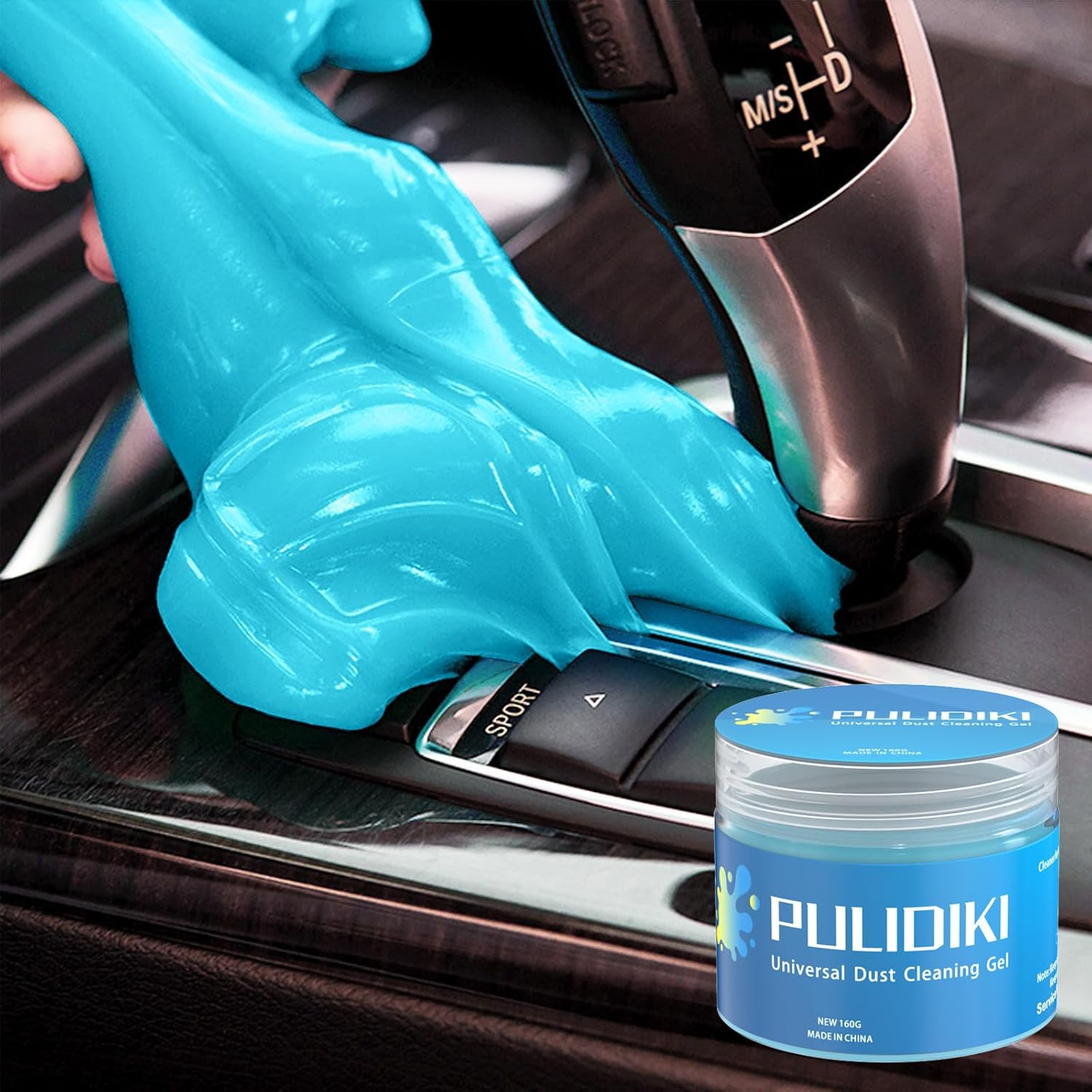
PULIDIKI Car Cleaning Gel (Detailing Putty)
Press it into vents, buttons, and seams and it lifts out dust you did not know was there. Weirdly satisfying, genuinely useful.
As an Amazon Associate, ThinkEV earns from qualifying purchases — at no extra cost to you.
Gear worth having
As an Amazon Associate, ThinkEV earns a small commission from qualifying purchases — at no extra cost to you.

WixGear Magnetic Air Vent Phone Mount (2-Pack)
A magnet strong enough that your phone never flinches over potholes or rail crossings. Two in the box, one for each car.
As an Amazon Associate, ThinkEV earns from qualifying purchases — at no extra cost to you.
The D100's Real Test Is the SU7's Successor, Not This Year's Skynomad
Chip sovereignty is a strategic asset, not a spec-sheet win. Whoever owns the silicon owns the update cadence, the margin structure, and the negotiating position with suppliers. RMB 21 billion over five years is real scale. It also arrives into a market where Nvidia Thor is shipping today and Huawei is already on its next revision.
If the 2027 commercial deployment holds, the first production vehicle carrying a D100 lands into a competitive environment nobody can fully model yet. That is the risk worth naming: the chip is validated, the schedule is public, and the industry Xiaomi is trying to catch is not standing still. Two dates decide whether this bet lands. First, Xiaomi has to name a specific D100-equipped model and its calendar-quarter launch window before the end of 2026, vague "2027" language that slides into H2 is the failure mode. Second, that vehicle has to ship with a TOPS figure and a functional ADAS tier at least matching the 700-TOPS Thor baseline the current Skynomad already runs. Miss either and the D100 becomes a press-release chip that shipped late into a category Huawei has already redefined. Hit both and Xiaomi is the second Chinese consumer-tech company to own its driving stack end-to-end, in the same twelve-month window as BYD. Lei Jun just put his name on the calendar. The scoreboard is public now.
Gear worth having
As an Amazon Associate, ThinkEV earns a small commission from qualifying purchases — at no extra cost to you.
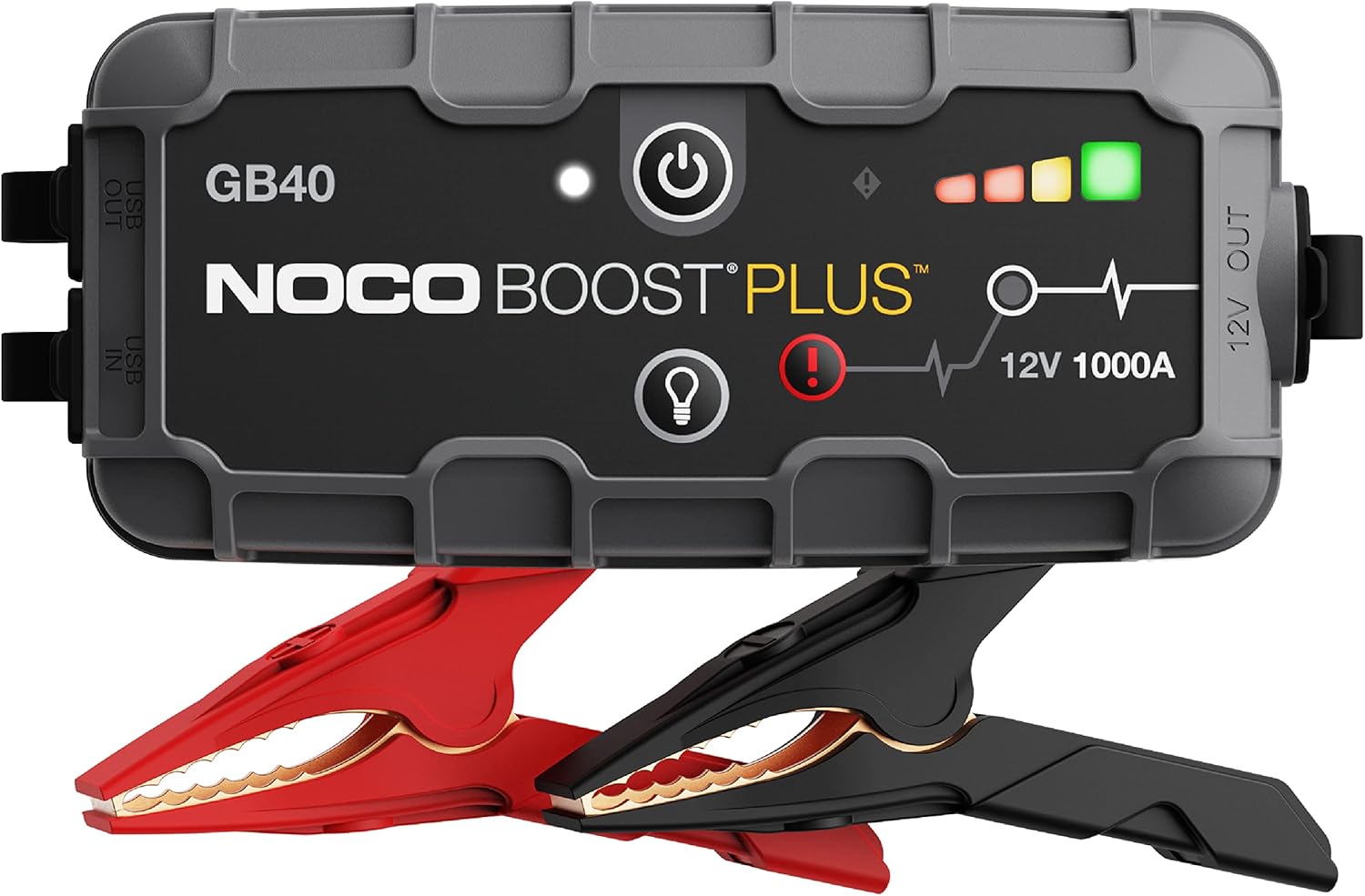
NOCO Boost Plus GB40 Jump Starter
A 1000A lithium jump starter that fits in your glovebox and works on any 12V battery. Your insurance against a dead 12V in a parking lot.
As an Amazon Associate, ThinkEV earns from qualifying purchases — at no extra cost to you.

Founder & Chief Editor
Vlad Pereira is the founder and chief editor of ThinkEV.ca, the Canadian electric-vehicle publication he writes and edits from Courtenay, British Columbia. He covers EV pricing, federal and provincial rebates, charging costs, and the Chinese manufacturers now entering Canada, from the buyer's side rather than the press-fleet side. ThinkEV is a venture of Vlad Pereira Online; his writing on health, income and the long game lives at vladpereira.com.
Frequently asked questions
Will the D100 replace Nvidia in Xiaomi vehicles currently on sale?
Can Canadians actually buy a Xiaomi EV with this chip?
What does the D100 need to beat to matter?
How does this compare to BYD's in-house ADAS chip?
What are the two milestones that determine whether this chip succeeds?
More EV & road-trip finds
Affordable upgrades worth a look — tap any to check the price on Amazon.
 ★ 15,014
Spigen Tempered Glass for Tesla Model 3/Y
View on Amazon ★ 121
★ 121Foldable Windshield Sun Umbrella
View on Amazon ★ 268
★ 268Anti-Slip Leather Steering Wheel Cover
View on Amazon ★ 12,051
Windex Electronics Screen Wipes
View on Amazon ★ 537
★ 537USB Star Projector Roof Light
View on Amazon ★ 1,349
Cool Swinging Duck Dashboard Ornament
View on Amazon ★ 4,424
Sun Visor Card and Document Organizer
View on Amazon
TP-Link Kasa Smart Plug with Energy Monitoring
View on AmazonRead, Plan, Then Stay Current
Explore our expert articles to understand incentives and ownership costs, use the map to pressure-test charging reality, then subscribe so new EV coverage comes straight to you.
Continue Reading

Xiaomi's Home Robotic Charging Arm Beats Tesla to It
BYD Seagull With LiDAR at $13K: A Sub-$15K First

Chinese EVs in Canada: 15,603 In, Still No BYD
BYD Great Seagull: A Bigger $10,000 EV Hatch Is Coming

10–97% in 9 Min: Sunwoda Joins the Flash Charging Race